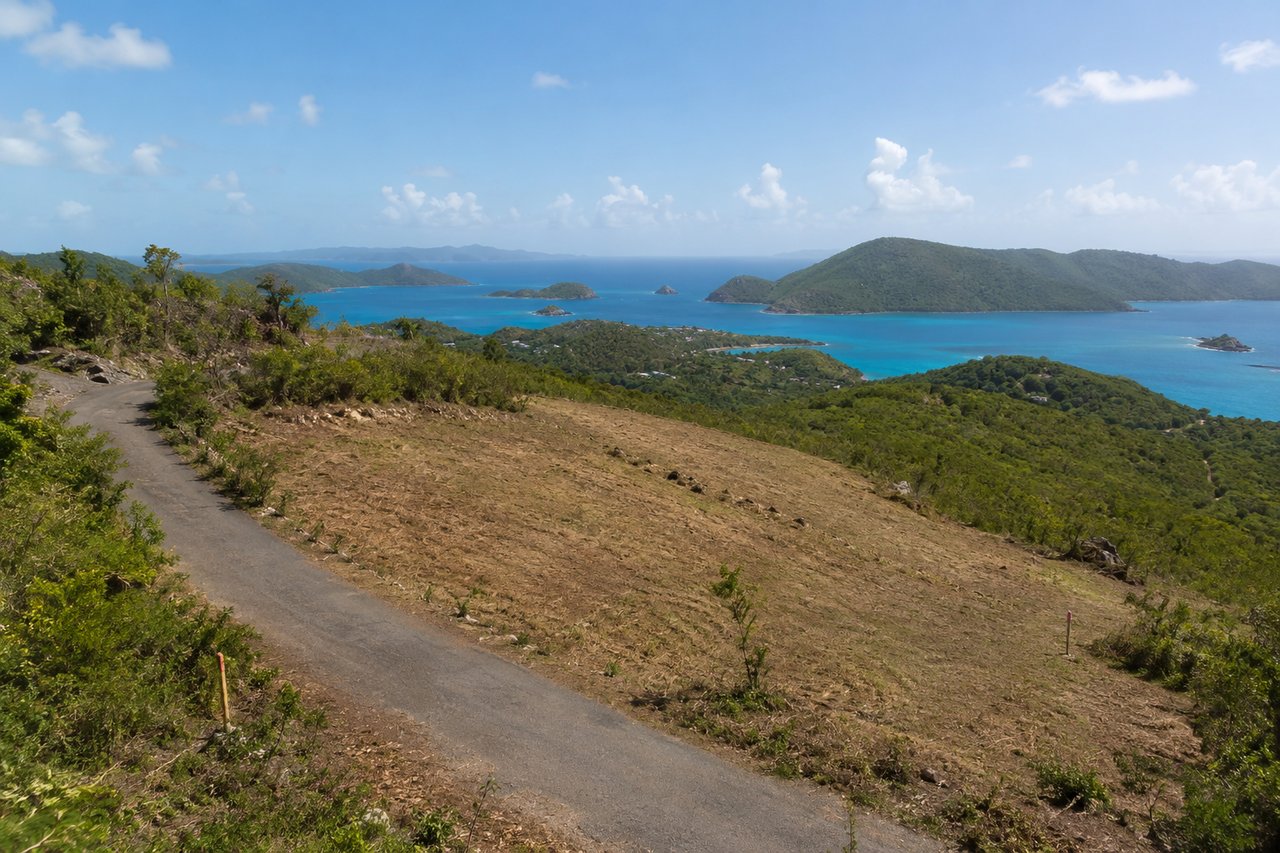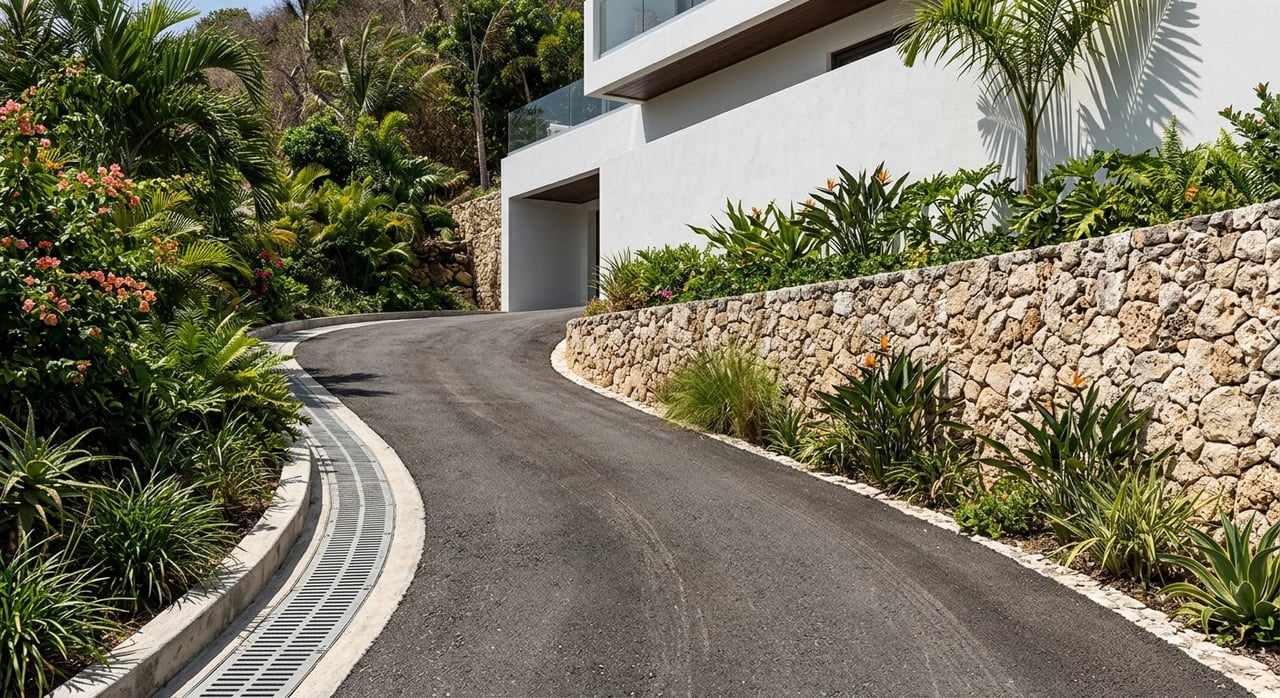
Buying in Carolina or Coral Bay can come with a surprise if you are new to St. John: the road to your property may matter just as much as the home itself. In this part of the island, associations are often about access, drainage, maintenance, and shared responsibilities, not just rules on paper. If you are comparing condos, villas, or land, understanding how HOAs and road associations work can help you avoid costly misunderstandings and make a more confident decision. Let’s dive in.
Why associations matter in Carolina and Coral Bay
In Carolina and Coral Bay, shared infrastructure plays a big role in daily ownership. Steep terrain, private roads, stormwater runoff, and access issues can all shape what an owner is responsible for and what an association needs to manage.
That is why local associations here may look different from what you have seen on the mainland. Instead of focusing mainly on amenities, many St. John associations deal with practical issues like road grading, culverts, drainage control, and shared access areas.
HOA vs. road association
An HOA usually refers to a group that manages shared property interests, rules, and common expenses. On St. John, that can include condominium associations governed by recorded declarations and bylaws.
A road or landowners association is often more focused on shared infrastructure. In Carolina and Coral Bay, that commonly means private-road upkeep, stormwater management, and in some cases shared beach property or access areas.
In practice, the line is not always clean. A local group may handle both governance and infrastructure, which is why buyers should always review the recorded documents and not rely only on the label.
Carolina’s hybrid association model
One useful local example is the Upper Carolina Landowners Association. The association states that its footprint covers Upper Carolina, Mill Vista, and Quacco-Zimmerman, and it describes the group as covering 178 properties across the Coral Bay area.
What makes this especially important for buyers is that the membership structure is not purely one-size-fits-all. UCLA describes itself as a voluntary organization, but it also states that designated landowners are members and that dues-paying members can vote.
That tells you something important about St. John real estate. In Carolina and nearby Coral Bay areas, association membership may be hybrid rather than simply mandatory or voluntary in the way many buyers expect.
How condo associations work in the Virgin Islands
For condominium ownership, the key documents are the declaration and the bylaws. Under the Virgin Islands Condominium Act, the bylaws are annexed to the declaration, and those documents set the framework for how the association operates.
Those bylaws can address board elections, meeting and quorum rules, officer roles, maintenance duties, collection methods, and other operating rules. If the bylaws change, the amendment must be recorded through an amendment to the declaration.
For buyers, that means the recorded documents are not just background paperwork. They define how the condo is governed, what you are expected to pay, and how shared responsibilities are handled.
Why the deed matters
With a condo, the deed is also important. The deed for a condo unit must identify the apartment, its intended use, any use restrictions, and the percentage of undivided interest in the common areas and facilities.
That percentage matters because it helps define your share of rights and responsibilities. If you are buying a condo in or near Coral Bay, you want to know exactly what your recorded ownership interest includes before closing.
What dues and assessments usually cover
In condo communities, common expenses are tied to each owner’s percentage interest in the common areas and facilities. The law also states that an owner cannot avoid those common expenses by giving up use of the common areas or by abandoning the unit.
For road and landowner associations, the budget often reflects the realities of the terrain. Dues may go toward road grading, drainage work, culverts, stormwater control, cleanup, beach property, or other shared infrastructure.
The Upper Carolina Landowners Association says its dues help support the private roads members use and the beach property they share. That is a strong example of how association dues on St. John often support access and infrastructure, not just appearance.
Why road associations matter more here
In Coral Bay, road maintenance is not just about a smoother drive. NOAA’s Coral Bay watershed planning materials say road and stormwater management should be coordinated, recommend HOA agreements and funding agreements among neighbors, and say ownership and maintenance provisions should be included in every road permit.
That matters because private-road design can affect natural drainage. In steep terrain, poor drainage can create erosion, runoff, and damage that affects multiple properties, not just one owner.
NOAA’s John’s Folly drainage report adds another layer. It notes that road ownership and control in Coral Bay are often not documented clearly enough to determine who should maintain a road, and that unclear ownership can delay permitting until the issue is resolved.
Storms, erosion, and shared responsibility
Coral Bay Community Council’s road assessment gives a practical view of what owners may face. The report identified private roads that were damaged, undercut, or impassable after storms, with recommended fixes such as regrading, debris removal, water bars, and drainage improvements.
For buyers, the takeaway is simple: road issues can quickly become ownership issues. If a home or parcel depends on a private road, you need to understand who maintains it, how costs are shared, and whether the system is documented well enough to support future work.
This is one reason association review is especially important in Carolina and Coral Bay. A beautiful view and a private setting are part of the appeal, but reliable access and a workable maintenance structure are just as important.
Questions to ask before you buy
Before you close on a property in Carolina or Coral Bay, ask clear questions about the association structure and the road system. Small details in the documents can have a big effect on your costs and responsibilities.
Here are some of the most important questions to ask:
- Is the road public, private, or shared?
- Who owns the road, and who maintains it?
- Is the association mandatory, voluntary, or hybrid?
- Which parcels are included automatically?
- What do dues actually cover?
- Are there recorded covenants, easements, declarations, or amendments?
- Do those obligations run with the land?
- Are there unpaid assessments, special assessments, or liens?
- Are the books current and available for review?
- Has the association completed required reporting or audits where applicable?
These are not minor questions. In Coral Bay, unclear road ownership has already been identified as a reason permitting and maintenance can stall.
Documents worth reviewing
For a specific property, the most important answers usually come from the recorded and association documents. Those records help determine who pays, who maintains, and who can enforce the rules.
Before closing, it is smart to review:
- The declaration
- The bylaws
- Recorded covenants and amendments
- Easements
- The current budget
- Meeting minutes
- Any transfer statement
- Information on unpaid assessments or liens
If you are buying a condo, these documents are especially important because the declaration, deed, and bylaws define your ownership rights and your share of common expenses. If you are buying a house or land accessed by a private road, easements and maintenance obligations may be just as important as the property boundaries.
Financial transparency matters
The Virgin Islands Condominium Act also requires detailed financial records and owner access to those records on reasonable notice. For larger properties, the law requires an annual independent audit.
That kind of transparency matters when you are evaluating whether an association is functioning well. A buyer should not just ask what the dues are, but also how the money is being tracked, what reserves or obligations exist, and whether there are any overdue amounts.
Under the Condominium Act, unpaid assessments can create a lien with priority over most other claims. In a voluntary conveyance, a buyer can request a statement of unpaid assessments, which makes this a key part of due diligence.
What this means for buyers on St. John
If you are purchasing in Carolina or Coral Bay, association review should be part of your core buying process. On St. John, shared roads, drainage systems, and recorded obligations can affect access, maintenance costs, and even your ability to move forward with improvements.
This does not mean association properties are a bad fit. It means you should understand the structure before you buy, especially in hillside areas where roads and stormwater management are central to ownership.
A careful review can help you spot whether an association is organized, what your dues support, and whether the property’s access and maintenance setup makes sense for your plans. That is valuable whether you are buying a full-time home, a vacation property, a condo, or land.
If you are sorting through condos, homes, or land in Carolina and Coral Bay, working with someone who understands St. John’s micro-markets can make the process much clearer. For practical guidance on island properties and the documents that shape ownership, connect with Dwight Lascaris.
FAQs
How do HOAs work in Carolina and Coral Bay on St. John?
- In Carolina and Coral Bay, associations often manage shared infrastructure such as private roads, drainage, stormwater control, and sometimes shared property, while condo associations are governed by recorded declarations and bylaws.
Are road associations in Coral Bay always mandatory?
- Not always. The Upper Carolina Landowners Association shows that local associations can use a hybrid structure, so buyers should confirm whether membership is mandatory, voluntary, or tied to specific parcels.
What do association dues usually cover in Carolina and Coral Bay?
- Dues may cover road grading, drainage, culverts, stormwater work, cleanup, shared beach property, common-area maintenance, administration, or reserves, depending on the association and its documents.
Why is road ownership important when buying in Coral Bay?
- Road ownership matters because unclear ownership can delay maintenance and even stall permitting, especially where private roads and drainage responsibilities are not documented clearly.
What documents should buyers review for a Carolina or Coral Bay property?
- Buyers should review the declaration, bylaws, recorded covenants, amendments, easements, budget, meeting minutes, transfer statements, and any information about unpaid assessments or liens before closing.
How do condo assessments work in the Virgin Islands?
- Under the Virgin Islands Condominium Act, common expenses are tied to an owner’s percentage interest in the common areas and facilities, and owners cannot avoid those expenses by not using the common areas or abandoning the unit.