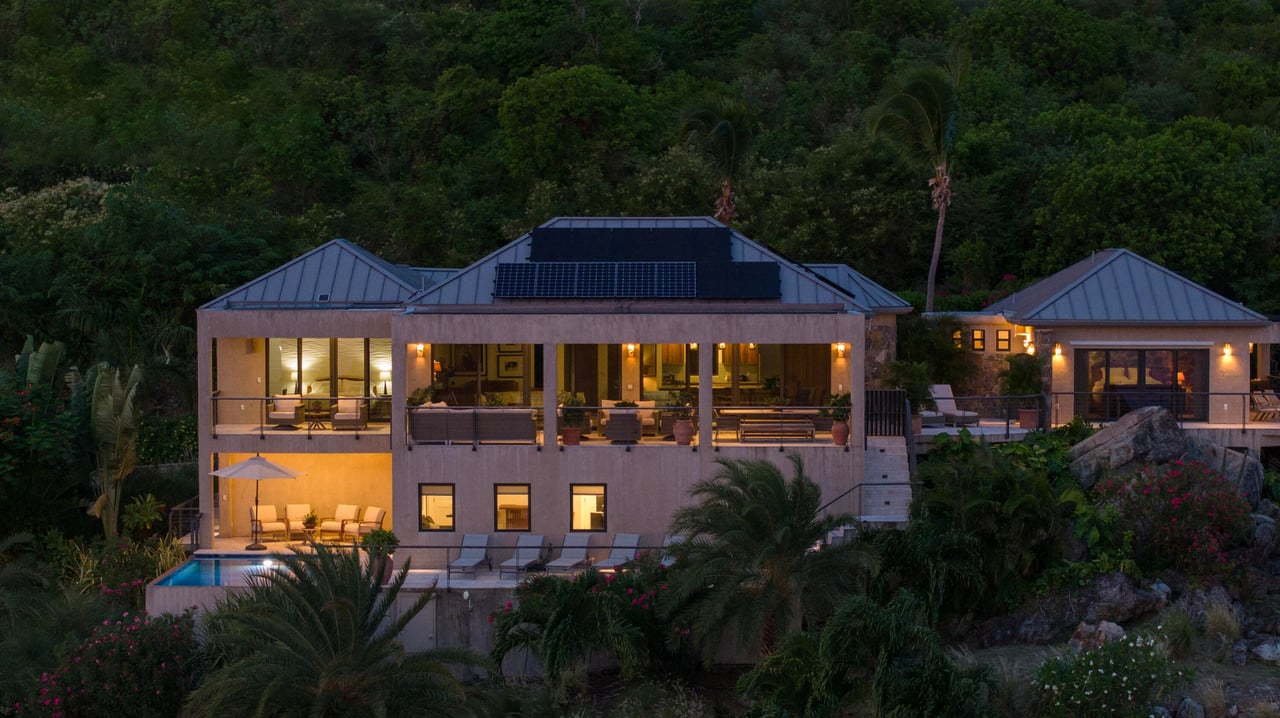
Power flickers are stressful anywhere, but on St. John they can stretch into days or weeks after a storm. If your home sits on a steep Carolina hillside above Coral Bay, you also juggle tight driveways, fuel access, and neighbors close by. Whether you live here full time or run a short‑term rental, the right backup plan protects comfort, food, and bookings when the grid goes dark.
In this guide, you will compare whole‑home generators, battery‑first systems, and hybrid setups. You will see how fuel delivery and permitting work on hillsides, plus what to prioritize for guest stays and turnovers. You will also get a clear decision framework and a sizing and installation checklist. Let’s dive in.
Why backup power matters in Carolina
St. John is in the Caribbean, and prone to tropical long outages after major storms have happened before. Multi‑week restoration is a realistic planning scenario. That means your backup plan should focus on sustained operation, not just a few hours.
Island logistics add complexity. Equipment, fuel, and technicians must be ferried in, which increases lead times and costs. In Coral Bay, steep, narrow roads can limit heavy deliveries. That directly affects generator placement, tank size, and the way you refill fuel.
You also need to coordinate with the local utility for interconnection if you consider grid‑tied solar or batteries. Local building codes, noise rules, and STR guidelines can affect siting and operating hours. Confirm permits and requirements before you buy.
Backup options at a glance
Whole‑home standby generators
A standby generator is a permanently installed unit that starts automatically during an outage and restores power through a transfer switch. Common fuels are diesel and propane.
Pros:
- Automatic, immediate power for large loads or the entire house.
- Long runtimes when you have fuel on site.
- Handles heavy startup loads like AC compressors and pumps.
Cons:
- Requires space for the generator and fuel tanks.
- Noise and exhaust require careful siting, especially near neighbors.
- Fuel supply can be challenging after storms. Maintenance is ongoing.
Hillside fit: Plan for delivery and anchoring on an engineered pad. Place tanks where trucks can safely access them. Add secondary containment so spills cannot run downslope. Route exhaust away from living areas and nearby dwellings.
Battery‑first systems
Battery energy storage uses an inverter to power selected circuits instantly when the grid fails. You can charge from solar when available, or from the grid or a generator.
Pros:
- Silent, instant transition and no on‑site combustion emissions.
- Modular sizing for the circuits you care about most.
- With solar, you can extend off‑grid operation on sunny days.
- Lower operational complexity than engines.
Cons:
- Higher upfront cost per kWh of storage.
- Runtime is limited without solar or generator recharge.
- Must meet safety and fire code requirements for installation.
Hillside fit: Batteries are lighter than large generators and easier to site near living areas because they are quiet. You still need a dry, ventilated location that meets code. Solar output depends on your orientation and shading.
Hybrid systems (battery + generator)
A hybrid approach uses batteries for instant, quiet backup and a generator to recharge them during longer outages or to support big loads.
Pros:
- Quiet immediate power plus long‑duration capability.
- Reduced fuel use because the generator runs fewer hours.
- Flexible control of critical and noncritical loads.
Cons:
- Higher upfront cost and more complex integration.
- Requires compatible controls between the inverter and generator.
Hillside fit: This is often a strong choice in Carolina. You get quiet resilience for guests, less frequent refueling, and extended operation when the grid is down.
Portable generators
Portables can keep a fridge and a few essentials running.
Pros:
- Lower upfront cost.
- Flexible placement for temporary needs.
Cons:
- Manual setup, noise, fumes, and safety risks if used improperly.
- Gasoline storage is limited and unreliable post‑storm.
Hillside fit: Moving heavy units up steep drives is difficult. Never operate in enclosed spaces because of carbon monoxide risk. If you use a portable, install a proper manual transfer switch and store fuel safely.
Fuel logistics on steep lots
Fuel types on St. John
- Diesel: Energy dense and robust for long runs. Storage tanks are larger, and you must manage fuel quality over time. Spill risk is a concern on slopes.
- Propane: Long shelf life and cleaner burning. Residential generators are available. Refill schedules depend on tank size and consumption.
- Gasoline: Suited to small portables but not ideal for long‑term on‑site storage.
- Battery‑electric: When paired with solar, you reduce dependence on shipped fuels and extend resilience.
Delivery and storage on hillsides
Large trucks need adequate clearance and a safe approach. Narrow switchbacks and tight turnarounds in Carolina can make standard deliveries hard. In some cases, smaller transfer tanks or staged top‑off drums at a safe access point are practical. Place tanks with secondary containment and away from drainage paths to protect structures and waterways.
Plan for fuel turnover or stabilized storage. Schedule generator test runs that align with fuel maintenance needs.
Safety and code compliance
Any generator tied to your home must use a transfer switch or an approved interlock to prevent backfeeding. Improper connections can endanger utility workers and damage equipment. Follow carbon monoxide safety guidelines and never run engines near openings or sleeping areas.
Battery systems require listed equipment, proper enclosures, and compliance with local fire code. Expect electrical, mechanical, and fuel tank permits. Some sites may require engineered pads, ventilation plans, or inspection before operation.
Environmental and neighbor impacts
Noise matters on quiet hillsides and for STR comfort. Acoustic enclosures, thoughtful placement, and runtime schedules help. Protect against fuel spills, especially on lots above drainage channels. Use containment and berming, and keep tanks where refilling is safe.
STR operations during outages
Prioritize guest‑facing systems
Decide whether you want whole‑house comfort or a subset of critical loads. Batteries provide instant power for locks, Wi‑Fi, lights, and refrigeration. That keeps guests calm and lets cleaners work.
Cooling drives power demand. You can reduce runtime by prioritizing fans and a limited number of AC zones instead of running full‑house AC all day.
Communication and expectations
Set expectations before arrival. Let guests know which systems stay on during an outage, for example: “Refrigerator and Wi‑Fi are backed up; full AC is available when the generator runs.” During an event, automate messages with simple steps and contact information.
Avoid asking guests to operate generators. Keep controls automated or limited to your team or a technician.
Turnover logistics and cleaning
Allow extra buffer on turnover days during storms. Give cleaners battery backup for essentials like Wi‑Fi, digital checklists, and small tools. Keep a small fridge or freezer on backup power for perishables used by staff. Plan for hot water and laundry contingencies.
Pricing, refunds, and insurance
Be transparent in your policies for weather and outage events. Consider small credits for prolonged interruptions. Review insurance for business interruption and food spoilage, and confirm any backup system requirements in your policy.
Decision framework for Carolina homes
Define objectives and constraints
- Resilience goal: hours, days, or weeks without grid power.
- Load profile: full‑house use, or critical circuits only.
- Noise and emissions: how important is quiet, near‑silent operation.
- Site realities: delivery access, pad location, tank siting, and solar exposure.
- Budget and operating capacity: upfront cost, fuel, maintenance, and who will refuel or service the system.
Quick sizing notes
- List critical loads: fridge, lighting, internet, well pump, select AC zones, hot water, and any medical or security equipment.
- Estimate daily run hours by scenario: normal stay, turnover day, and extended outage.
- Battery sizing: convert daily watt‑hours to kWh, account for inverter efficiency and a safety margin, and decide on days of autonomy.
- Generator sizing: match continuous and startup loads, especially for compressors and pumps.
- Hybrid approach: size the battery for immediate essentials and use a modest generator to recharge and support heavy loads on a schedule.
Installation and operations checklist
- Coordinate with the local utility for interconnection and anti‑islanding rules.
- Confirm required permits: electrical, mechanical, and fuel tanks. Follow fire code for energy storage.
- Select listed equipment and ensure transfer gear and inverters are compatible.
- Create a site plan: engineered pad, acoustic shielding, exhaust routing, fuel containment, and safe refueling access.
- Hire licensed professionals and document commissioning and as‑built diagrams.
- Set a maintenance plan: test cycles, oil and filter changes for generators, and routine battery health checks.
- Write an emergency playbook: guest messaging, vendor contacts, and fuel delivery timelines.
Example backup plans by property type
Luxury villa with full AC
Goal: Whole‑house comfort with extended runtime.
- Best fit: Whole‑home standby or hybrid. A larger diesel or propane standby handles full HVAC. A hybrid system can reduce fuel use by letting batteries cover light loads and overnight quiet hours.
- Key notes: Plan for fuel tank access on steep drives and acoustic treatment. Budget for sound‑attenuating enclosures and engineered pads. Set a refueling agreement and maintenance contract.
Mid‑size STR focused on essentials
Goal: Keep guests comfortable and bookings on track with lower fuel needs.
- Best fit: Battery‑first with solar if feasible, plus a right‑sized generator for recharge and heavy loads during peak hours.
- Key notes: Prioritize fridge, lights, Wi‑Fi, locks, fans, and one or two AC zones. Use automated load management to stay within battery limits. Schedule generator runs for laundry, hot water recovery, and full AC during the hottest hours.
Local owner‑occupant seeking quiet resilience
Goal: Low noise, low maintenance, and reliable essentials.
- Best fit: Battery‑first system, possibly without a generator if solar exposure is strong and loads are modest. Add a small portable or compact standby as a safety net if budget allows.
- Key notes: Keep loads lean, maintain clear safety practices, and confirm code compliance for batteries and any manual transfer equipment.
Next steps
- Inventory critical loads and set a realistic resilience target for your home or rental.
- Walk your site with a qualified installer to assess delivery access, pad options, tank siting, and solar potential.
- Confirm permits, fire code, and utility requirements before you order equipment.
- Evaluate a hybrid path that pairs quiet, instant battery backup with generator recharge for long disruptions.
If you are buying, selling, or optimizing a Carolina property, you can align a backup plan with your goals and budget before the next storm season. For local insight on Coral Bay hillsides and practical property guidance, reach out to StJohnRealEstates.com. Get Exclusive St. John Listings & Market Updates.
FAQs
Which backup system fits a Carolina hillside STR?
- A battery‑first system with solar offers quiet, instant comfort. For multi‑week outages, a generator that recharges the batteries provides extended resilience with lower fuel use.
How do I reduce guest disruption during outages?
- Keep locks, Wi‑Fi, lights, and refrigeration on instant battery backup, communicate expectations in advance, automate messages, and schedule generator runs for heavier loads.
What hidden costs should I expect on St. John?
- Shipping and freight, engineered pads and anchors, permitting and inspections, acoustic enclosures, interconnection fees, and ongoing fuel and maintenance contracts.
Are home battery systems safe for vacation rentals?
- Yes when installed by licensed professionals using listed equipment, with proper ventilation, spacing, monitoring, and compliance with local fire and building codes.
Who handles maintenance after installation?
- Generators need certified engine servicing and fuel planning; batteries need monitoring and periodic health checks, often with a local service contract.