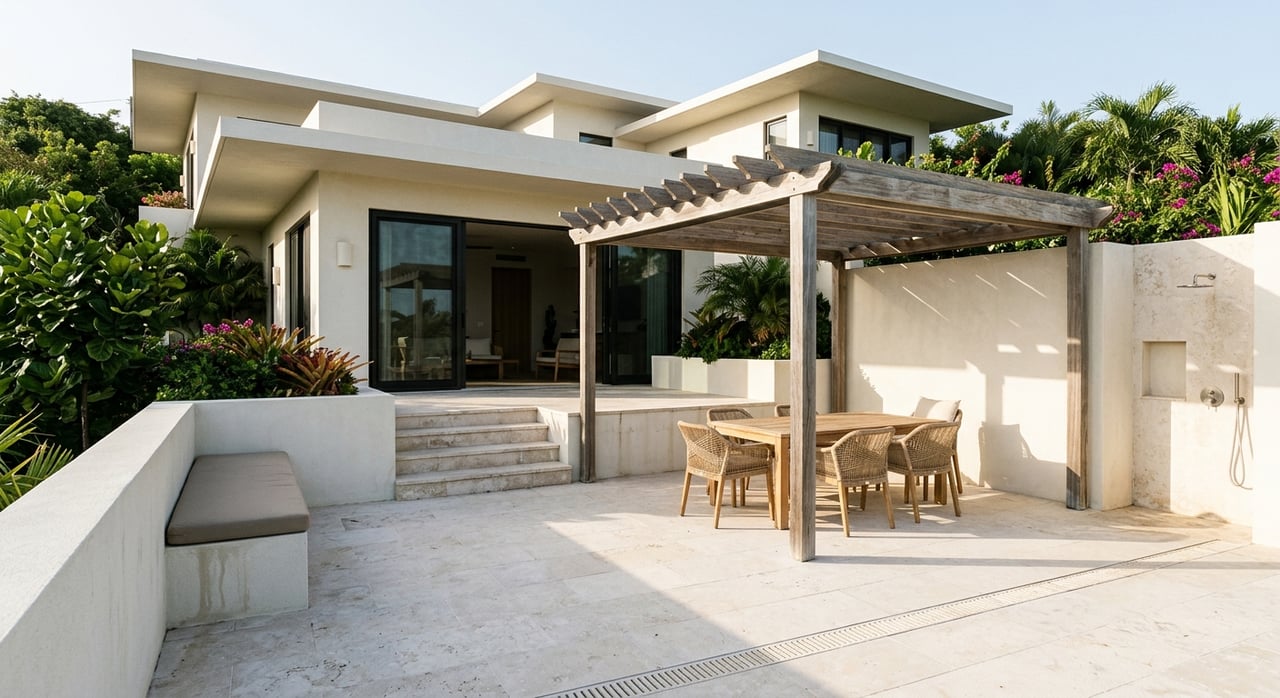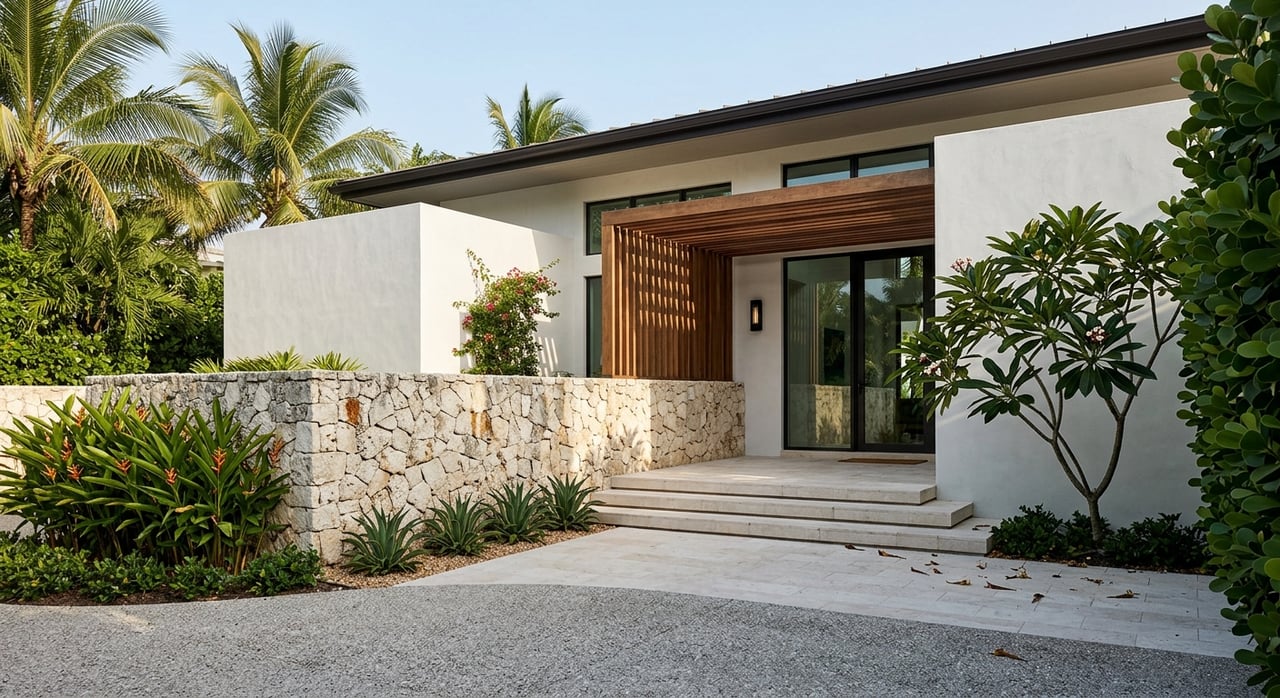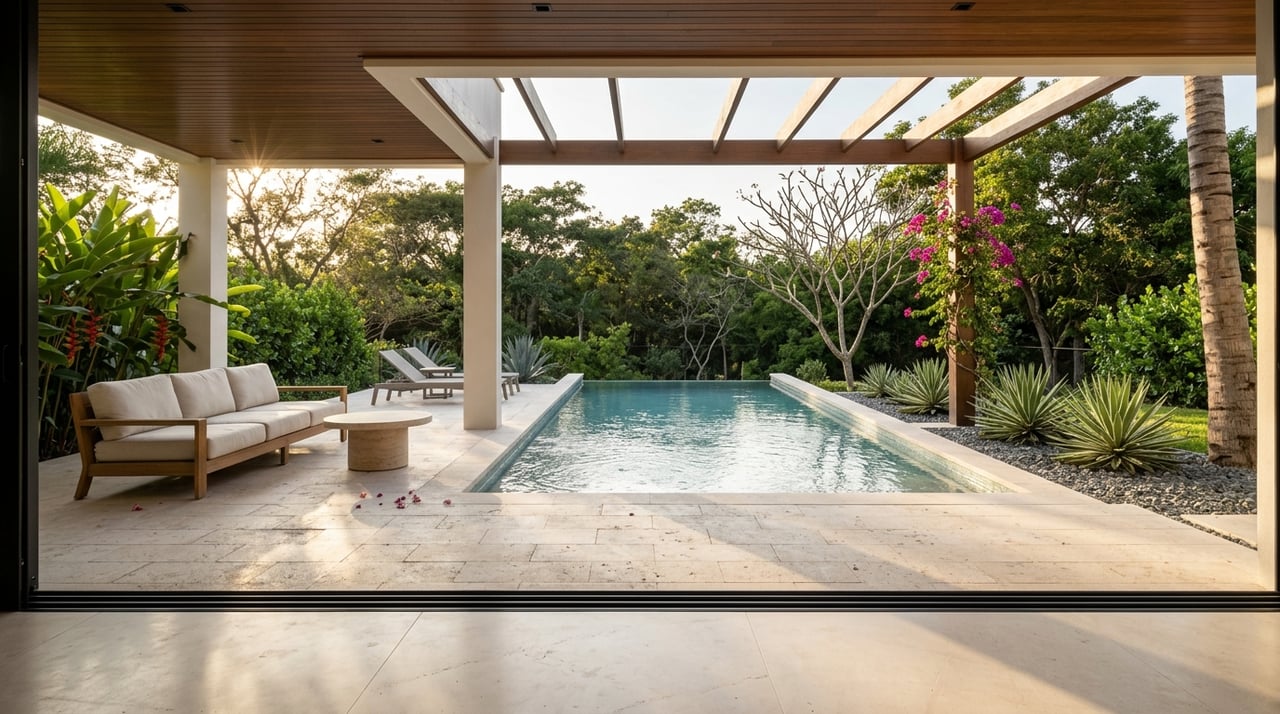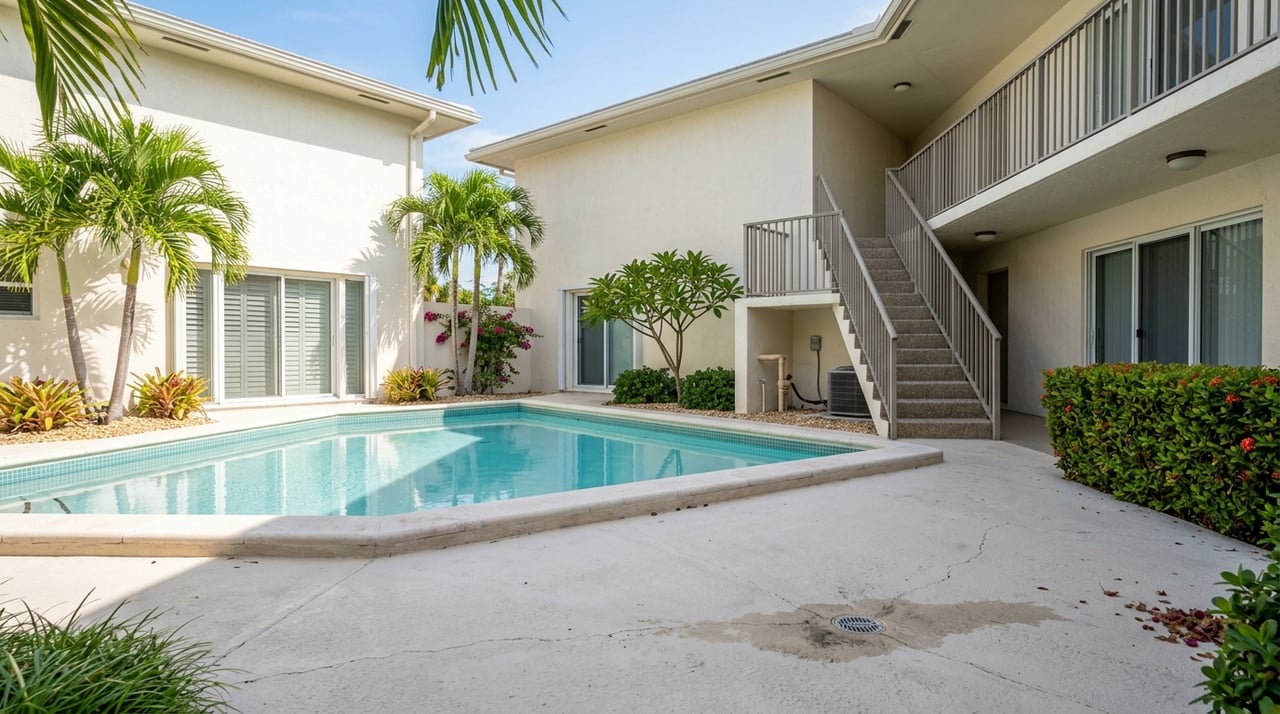
Thinking about building in Hansen Bay? The first choice you make — buying a build-ready lot or a raw parcel — will set your budget, timeline, and stress level. On St. John’s East End, the terrain, access, and utilities make that choice even more important. In this guide, you’ll learn how these two paths differ, what to check before you buy, realistic timelines, and the main cost drivers in Hansen Bay. Let’s dive in.
Build-ready vs. raw land
Build-ready essentials
A build-ready parcel typically has the conditions you need to move toward construction with minimal site prep. Look for:
- Legal access with an improved driveway.
- Utility hookups in place or permitted (electric, potable water or cistern, phone/internet).
- Septic system installed or a permitted, feasible location.
- Completed boundary and topographic surveys, and possibly a geotechnical report.
- Grading/erosion control plan and required local approvals.
- Known setbacks and clear title with recorded easements.
What this means for you: less uncertainty and a shorter path to permits and site work.
Raw parcel reality
A raw parcel usually lacks one or more items above. Expect:
- Informal or overgrown access, no improved driveway.
- No utility connections; service may be far from the lot line.
- Unknown soils or bedrock conditions and no septic design.
- No surveys or permits, and potential environmental constraints.
- Higher uncertainty around total cost and time.
What this means for you: lower upfront price, but more time, planning, and risk before you can start building.
Hansen Bay local factors
Terrain and slope
St. John’s terrain is steep and rocky. In Hansen Bay, lots often drop from the road to coastal slopes and have thin soils with rock outcrops. Plan for rock excavation, retaining walls, or specialized foundations.
Access and roads
East End roads can be narrow and winding, and some are private or owner maintained. Deeded access versus informal tracks is a key issue. Bringing a driveway to code can require grading, culverts, and drainage improvements.
Utilities snapshot
Electric service is provided by the local utility and is not as dense as on the mainland. Many properties need line extensions or choose off-grid systems with solar, batteries, and a generator. Municipal water is limited, so most homes use rainwater cisterns or hauled water. Most parcels rely on an on-site wastewater system, and feasibility depends on soils, slope, and setbacks. Broadband varies; some sites use satellite or fixed wireless.
Environmental and codes
Coastal zones and proximity to protected lands can trigger extra reviews and setbacks. FEMA flood zones influence elevation and foundation requirements. USVI building codes emphasize hurricane wind and flood resilience, so structural details like tie-downs and materials must meet local standards.
Due diligence checklist
Title and access
- Order a title search to confirm ownership, liens, easements, and any covenants.
- Verify deeded access and who maintains the road.
- Walk the access route in dry and wet conditions to test grade and width.
Why it matters: Legal access and reliable road conditions affect permits, deliveries, and emergency access.
Surveys and site layout
- Commission a boundary survey with staked corners and a topographic/site survey.
- Map setbacks, slope contours, and likely driveway and building pad locations.
Why it matters: Accurate data drives septic siting, foundation design, and cost estimates.
Soils and geotechnical
- Get a geotechnical investigation for bedrock depth, bearing capacity, and slope stability.
- Complete septic feasibility or subsurface testing per local requirements.
Why it matters: Rock excavation, foundation type, and septic design are major cost drivers.
Utilities and extensions
- Confirm the nearest electric service point, line extension needs, and lead times.
- Verify water strategy: cistern requirements or any nearby municipal service.
- Confirm septic requirements and setbacks; check telecom options.
Why it matters: Utility extension costs and timelines can be significant on raw parcels.
Permits and zoning
- Verify zoning or allowable uses, height, coverage, and setbacks.
- Identify required permits: septic, driveway, grading/erosion control, coastal zone, floodplain, and building.
- Ask for current processing timelines from the permitting office.
Why it matters: Permits are often sequential and can be the longest part of pre-construction.
Environmental reviews
- Check if the lot is in a coastal zone, wetland, or sensitive habitat.
- Consider archaeological or cultural reviews if ground disturbance is planned.
Why it matters: Environmental clearances can change designs or add time.
Flood, wind, and insurance
- Review FEMA flood maps and required finished-floor elevations.
- Obtain an engineering brief for wind/hurricane design to inform costs and insurance.
Why it matters: Elevation, structural design, and insurance all affect your budget and timeline.
Costing and financing
- Get local estimates for driveway, clearing, grading, retaining walls, foundation, septic, cistern, utilities, and erosion control.
- Confirm lender terms for vacant land versus construction loans.
Why it matters: Lenders treat land differently, so accurate budgets help you choose the right financing.
Neighborhood and logistics
- Visit at different times to check noise, drainage, and seasonal access.
- Confirm garbage collection, emergency access, and travel time to supply hubs.
Why it matters: Island logistics add time and cost, both during construction and after move-in.
Timeline expectations
Here are typical ranges for Hansen Bay, depending on parcel condition and agency workloads:
- Initial property review: 1 to 3 weeks.
- Boundary and topographic surveys: 2 to 8 weeks.
- Geotechnical and septic feasibility: 2 to 8 weeks.
- Utility availability and cost confirmation: 2 to 8 weeks; line extensions can add months.
- Permits:
- Septic permits: 4 to 12 weeks.
- Building permits after complete plans: 8 to 24 weeks or more.
- Coastal or environmental reviews: several weeks to months.
- Site preparation before foundation: weeks to months, based on scope.
Plan on 6 to 24 months or more from a raw parcel purchase to shovel-ready. A build-ready parcel can often shorten that to about 2 to 6 months, depending on final permits and contractor schedules.
Cost drivers to budget
Major drivers in Hansen Bay include:
- Access improvements for code-compliant driveways and drainage.
- Foundation work and rock excavation or blasting.
- Utility line extensions and meter installations.
- Septic design and installation on sloped or coastal sites.
- Cistern installation or water hauling logistics.
- Erosion control, drainage, and retaining structures.
- Permitting and required mitigation.
- Professional fees for surveyors, engineers, architects, and permit support.
Helpful mitigations:
- Consider off-grid power to avoid costly line extensions, with proper design and approvals.
- Use smaller, elevated footprints to reduce excavation and retaining walls.
- Phase work: driveway, utilities, and septic first to de-risk and spread costs.
Quick vetting checklist
Documents to request before removing contingencies:
- Deed, chain of title, and recorded easements or restrictions.
- Recent survey and legal description.
- Any site plans, septic designs, or geotechnical reports.
- Nearby utility maps for electric, water, and telecom.
- FEMA flood designation and any prior claims.
- Confirmation of allowable uses and setbacks from the local permitting authority.
Questions to ask the seller or listing agent:
- Is access deeded? Who maintains the road?
- Are corners staked and is a current boundary survey available?
- Are there active utility meters or lines to the property?
- Has septic feasibility been tested? Any known rock blasting?
- Has a building pad ever been cleared?
- Any neighbor disputes, encroachments, or violations?
Protections to include in your contract:
- A due diligence period long enough for surveys, testing, utility confirmations, and permit review.
- A right to cancel if septic, access, or permitting is not feasible.
- Seller disclosures about any known development limits.
Which path fits your goals
Choose a build-ready parcel if you value schedule certainty and reduced risk. The premium often pays for itself through faster timelines and fewer unknowns. Choose a raw parcel if you are comfortable managing surveys, permits, and site work and want to capture value by solving those steps.
Either way, prioritize title and access, septic feasibility, and utility availability early. These three items have the biggest impact on cost and timing in Hansen Bay.
Get local help on the East End
A local, process-driven approach saves time and money. Engage a licensed surveyor, geotechnical engineer, septic designer, and a contractor with island experience early. If your parcel is near the shoreline or protected lands, coordinate with the permitting office on coastal zone and environmental requirements.
If you are weighing build-ready against raw land in Hansen Bay, let’s map the steps, budget, and timeline so you can move forward with confidence. Reach out to Dwight Lascaris for a clear plan tailored to your goals.
FAQs
What makes a Hansen Bay lot “build-ready”?
- A build-ready lot typically has deeded access, an improved driveway, confirmed or installed utilities, septic feasibility or permits, current surveys, and required local approvals.
How long from raw land to shovel-ready on St. John’s East End?
- Plan for about 6 to 24 months or more, depending on surveys, permits, utility extensions, and site work scope.
How do utilities usually work for raw parcels in Hansen Bay?
- Many raw lots need electric line extensions or choose off-grid power, rely on cisterns for water, and require on-site septic; telecom options can vary by location.
Why is deeded road access important in the East End?
- Deeded access protects your legal right of way and affects permits, deliveries, emergency services, and long-term maintenance.
What permits are common near the coast in Hansen Bay?
- Expect septic, driveway, grading/erosion control, floodplain where applicable, building permits, and possible coastal zone or environmental reviews.
How can I control site costs on steep or rocky lots?
- Reduce excavation with smaller elevated footprints, phase site improvements, and consider off-grid power to avoid long electric extensions.