Thinking about listing your Chocolate Hole villa this season? You know buyers love the bay views and quick access to Cruz Bay, but turning that interest into top-dollar offers takes a clear plan. With a few island-specific upgrades, organized documents, and standout marketing, you can shorten time on market and protect your net proceeds. This guide walks you through what buyers expect in Chocolate Hole, the paperwork to prepare, the prep that matters most, and how to time your launch for the island’s peak season. Let’s dive in.
Why Chocolate Hole buyers pay a premium
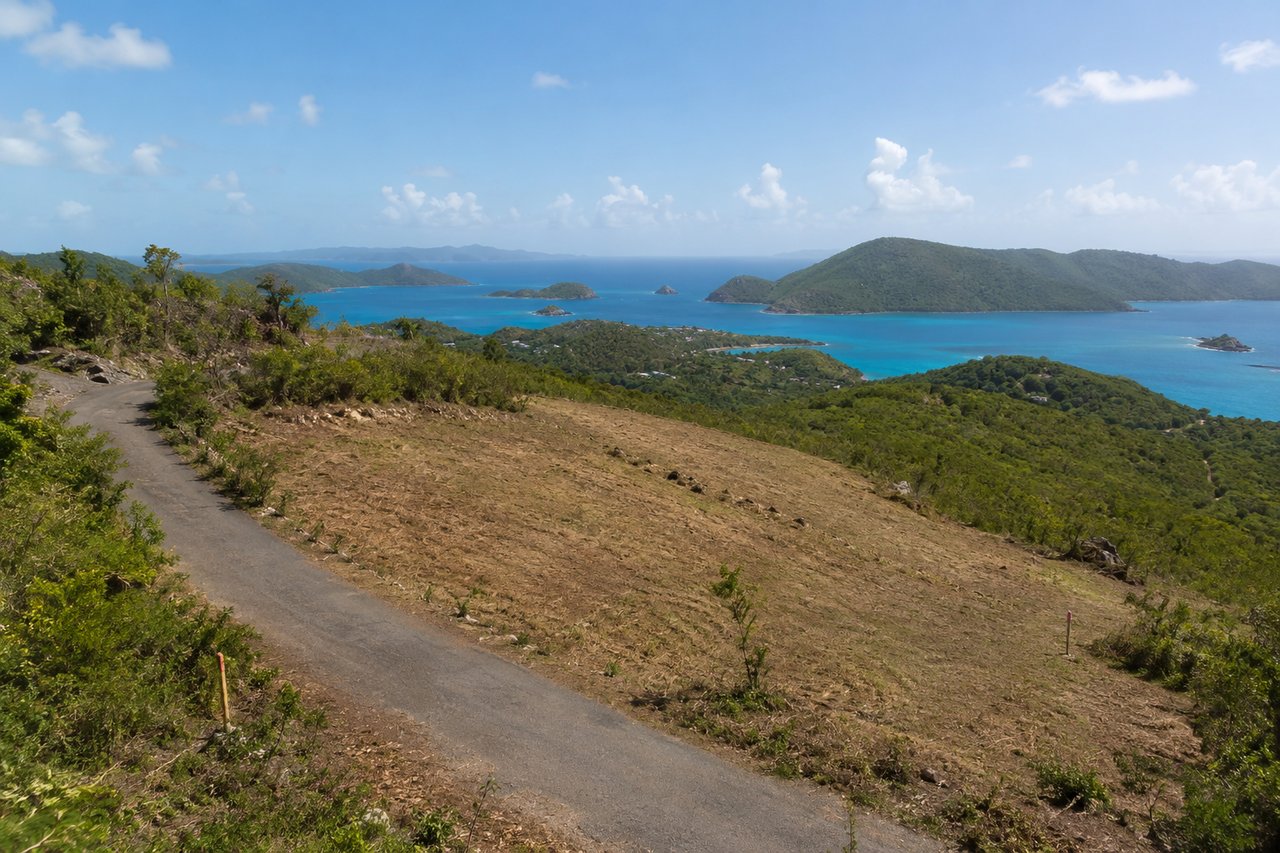
Chocolate Hole sits along St. John’s south shore, just minutes from Cruz Bay, with small beaches and protected water that draw year-round interest. The area’s sheltered coves and easy snorkeling add real appeal for near-water and waterfront homes, which is why views and access rank high with buyers. Learn more about the bay’s character and beaches from this quick overview of Chocolate Hole’s shoreline and snorkeling access.
St. John is a luxury-weighted, low-inventory market. Recent snapshots show a median listing price around 1.6 million dollars and a longer marketing window typical for high-end islands. In this setting, presentation is everything. Buyers here value uninterrupted views, proximity to Cruz Bay, resilient systems like solar plus generator, and documented rental performance if the villa operates as a short-term rental.
Get your documents in order
Serious buyers and their attorneys will ask for clean records and clear answers. Pull these items together before you go live so you can move quickly when the right offer comes in.
Title, taxes, and public records
- Recorded deed and any trust or LLC paperwork.
- Recent property tax receipts.
- Any surveys or easements on record.
- A title commitment or title-search report.
- Contact and access details for the St. Thomas–St. John Recorder of Deeds so buyers’ counsel can verify filings. You can point them to the official USVI public records portal.
Transfer tax you should budget for
The USVI real property transfer, often called stamp tax, uses tiered brackets: 2% up to 350,000 dollars; 2.5% from 350,001 to 1,000,000; 3% from 1,000,001 to 5,000,000; and 3.5% over 5,000,000. Local custom often places this cost with the seller, but it can be negotiated. Work with your title team to estimate the tax on likely sale prices and include it on your net sheet.
If you rented short term
If your villa operates as a vacation rental, gather compliance records and financials:
- Department of Licensing and Consumer Affairs (DLCA) business license and registration. You can confirm requirements with the DLCA.
- VIBIR Hotel Room Occupancy Tax registration. The hotel tax rate applied to short-term stays is widely published at 12.5% of the gross room rate. Some platforms may collect and remit under territorial agreements.
- The last 12 to 24 months of booking calendars and platform payout statements, plus monthly P&L and year-to-date operating statements. For a sense of what investors expect to review, see this overview of common STR compliance and documentation in the USVI.
- Management agreements, service vendor lists, and recent invoices for major repairs.
Tackle island-specific prep
Your systems matter as much as your views. Buyers want to know the home is easy to operate and resilient when you are off island.
Water, power, and waste systems
- Water: Note cistern capacities, pump and filtration setup, and recent service dates. If you replaced pumps or filters, include invoices and a simple diagram of your system.
- Power: Document solar array size, battery storage (if any), generator capacity, and the automatic transfer switch. Keep recent service logs and load-test notes readily available.
- Waste: Gather septic pump and inspection records and note the system’s age. Many buyers will request a recent inspection.
Hurricane resilience and insurance
Impact glass or shutters, roof condition, and any documented repairs after recent storms will shape buyer confidence and insurance underwriting. Have policy summaries, premiums, claim histories, and any inspection reports ready. For general guidance on local buying and preparedness, you can reference the St. John Board of Realtors buyer resources.
High-ROI touch-ups and outdoor staging
- Deep clean exterior surfaces to remove salt and oxidation.
- Repair and refinish decks and railings, then service the pool.
- Trim and shape landscaping to frame view corridors toward Chocolate Hole.
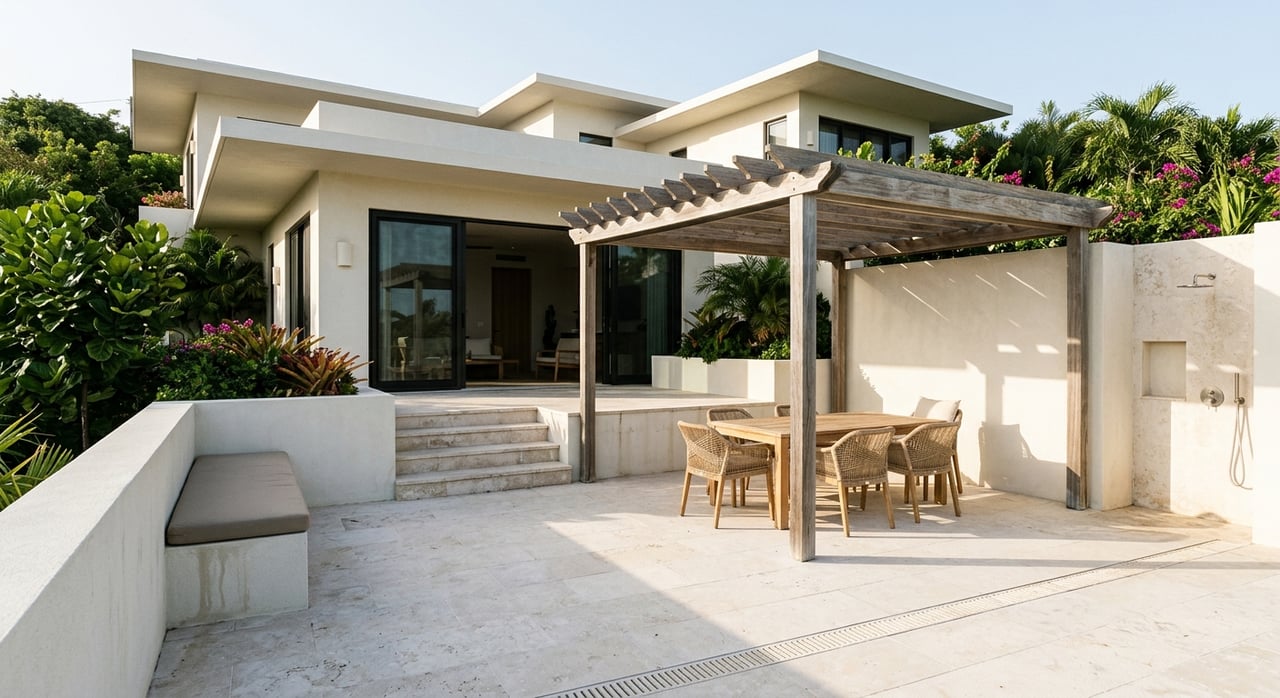
- Stage outdoor living areas with neutral, photo-friendly seating and dining setups. In the Caribbean, the terrace often sells the home.
Staging and media that sell
Staging that speeds the sale
Industry research shows staging can shorten time on market and improve offers. Many agents report staged homes draw more showings and higher bids. If a full staging is not practical, prioritize the living room, kitchen, primary suite, and main outdoor spaces. A recent summary of National Association of Realtors findings notes measurable benefits from staging, including price and time savings. See an overview of how staging influences sale outcomes.
Photography that shows the bay
Professional media is standard for St. John luxury and vacation listings. Plan for:
- Pro photography with wide exteriors, clean compositions, and soft interior light.
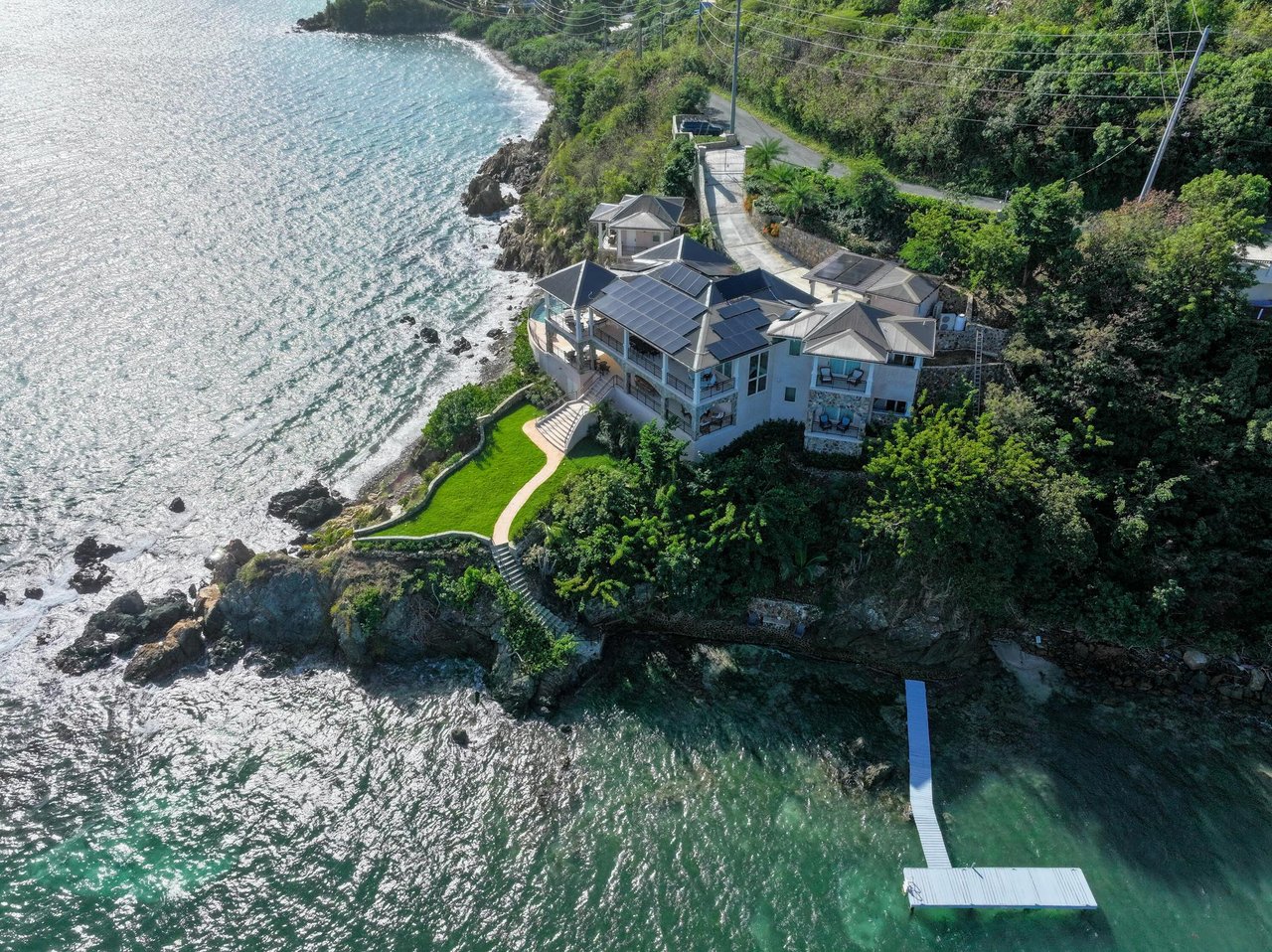
- Drone imagery to show elevation, bay proximity, and the approach to the villa.
- Twilight hero shots for eye-catching thumbnails.
- A short 3D or video tour to help off-island buyers visualize circulation and views.
High-quality visuals drive more clicks and engagement, which can lead to faster offers. For context on the impact of listing photos and video, review these key real estate photography stats.
Pricing, timing, and showings
Price with comps and income
Use the most relevant Chocolate Hole comps, adjusting for view, water access, elevation, and outdoor living quality. If your villa performs as a short-term rental, summarize the last 12 to 24 months of bookings and P&L in a one-page highlight sheet. That helps investor buyers quantify value beyond the physical property.
Plan around high season
Buyer traffic on St. John concentrates in the winter dry season. If possible, target your list date to capture that momentum. That means booking stagers, photographers, and any contractors several weeks in advance.
If your villa is booked
Many transactions require sellers to honor confirmed reservations through closing. Work with your property manager to coordinate showings between guests and create a transparent plan for transferring upcoming bookings and vendor contacts to the buyer. If you are off island, a local manager can also handle maintenance callbacks and walkthroughs. For an example of the scope of local services, review St. John property management offerings.
Timeline: from decision to list
- Light prep route: Declutter, paint touchups, a deep clean, minor repairs, targeted staging, and media typically take 4 to 8 weeks.
- Bigger-scope route: Solar or generator service, notable landscaping, or structural work often requires 8 to 12 or more weeks, especially leading into high season.
Plan backward from your ideal list date so you can secure vendors on time. For a practical planning view, see this guide on scheduling pre-list prep and media.
Pre-list checklists
Documents to assemble
- Recorded deed and any trust or LLC paperwork.
- Property tax receipts for the past two years.
- Any surveys, easements, or road agreements.
- Title commitment or recent title-search report. Share the USVI Recorder of Deeds portal with buyer counsel for verification.
- DLCA business license and VIBIR Hotel Room Occupancy Tax registration if rented short term. Confirm licensing with the DLCA.
- 12 to 24 months of booking calendars and platform payout statements, monthly P&L, and year-to-date operating statements.
- Management agreement and contacts for housekeeping, pool, landscaping, and maintenance vendors.
- Insurance policy summary, claim records, and any inspections or appraisals.
Property-prep checklist
- Safety and systems: roof, electrical, generator service and transfer switch, battery storage, septic, and cistern pumps.
- Hurricane readiness: verify impact glass or shutters and document your prep plan and vendors. See local guidance from the St. John Board of Realtors.
- Pool and decking: service the pool, repair railings, and refresh non-slip surfaces.
- Exterior cleanup and landscaping: remove salt build-up, clean windows and railings, and open view corridors to the bay.
- Staging: neutral, light-touch staging for the living room, kitchen, primary suite, plus outdoor dining and lounge areas.
- Media: professional photos, drone, twilight set, and a short virtual tour. Book the shoot after staging is complete and the property is photo-ready. Use these photography best practices and stats to guide your plan.
Ready to go live?
Your goal is simple. Present a resilient, well-run villa with bright, high-impact visuals and a clean, complete due diligence packet. That combination attracts the widest buyer pool, supports stronger offers, and helps you move from listing to closing with confidence. If you want a step-by-step plan tailored to your property, connect with Dwight Lascaris for local pricing guidance, a targeted marketing strategy, and concierge support through closing.
FAQs
What do buyers in Chocolate Hole value most?
- Clear bay views, easy access to Cruz Bay, strong outdoor living areas, and resilient systems like solar plus generator. Documented short-term rental performance also helps.
How does the USVI stamp tax work for sellers?
- The territory uses tiered rates: 2% up to 350,000 dollars; 2.5% from 350,001 to 1,000,000; 3% from 1,000,001 to 5,000,000; and 3.5% above 5,000,000. It is often paid by the seller but can be negotiated.
What short-term rental documents should I prepare?
- DLCA license, hotel tax registration, 12 to 24 months of booking calendars and payout statements, monthly P&L, management agreements, and recent vendor invoices.
What island-specific systems will buyers ask about?
- Cistern capacity and pump/filtration, generator and transfer switch, solar and batteries, septic age and recent service, hurricane protections, and insurance premiums.
How far in advance should I start prepping?
- Light prep typically needs 4 to 8 weeks. Bigger projects or pre-season scheduling often require 8 to 12 or more weeks. Plan backward from your ideal list date.