Thinking about listing your oceanview home in Carolina and not sure where to price it? You are not alone. St. John is a small, highly seasonal market, and the right price can be the difference between a fast, strong offer and months of quiet showings. In this guide, you will learn how to set a smart price, how to present your home for peak season, and how to model your net proceeds with confidence. Let’s dive in.
What drives value in Carolina oceanview homes
View quality and corridor
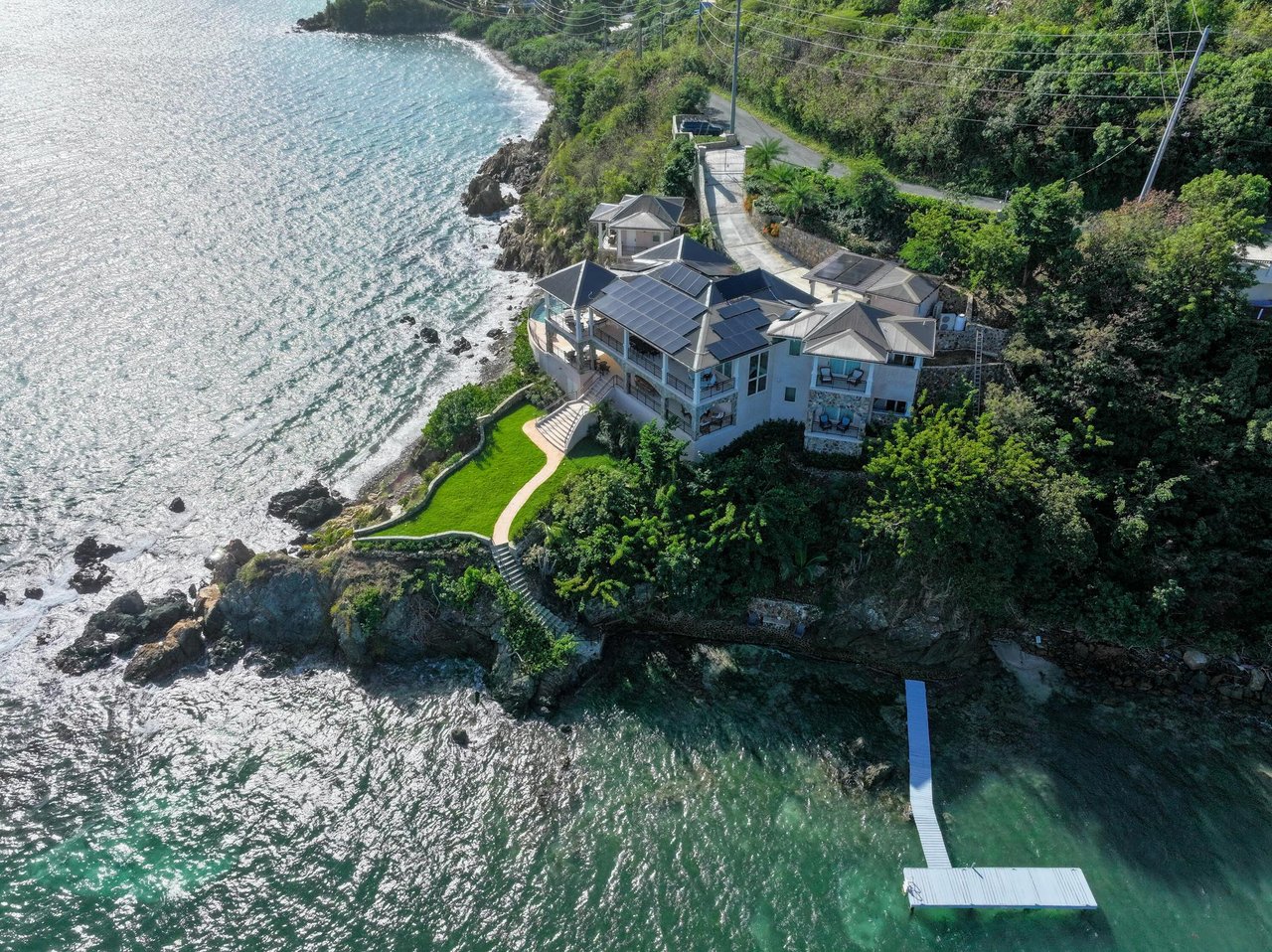
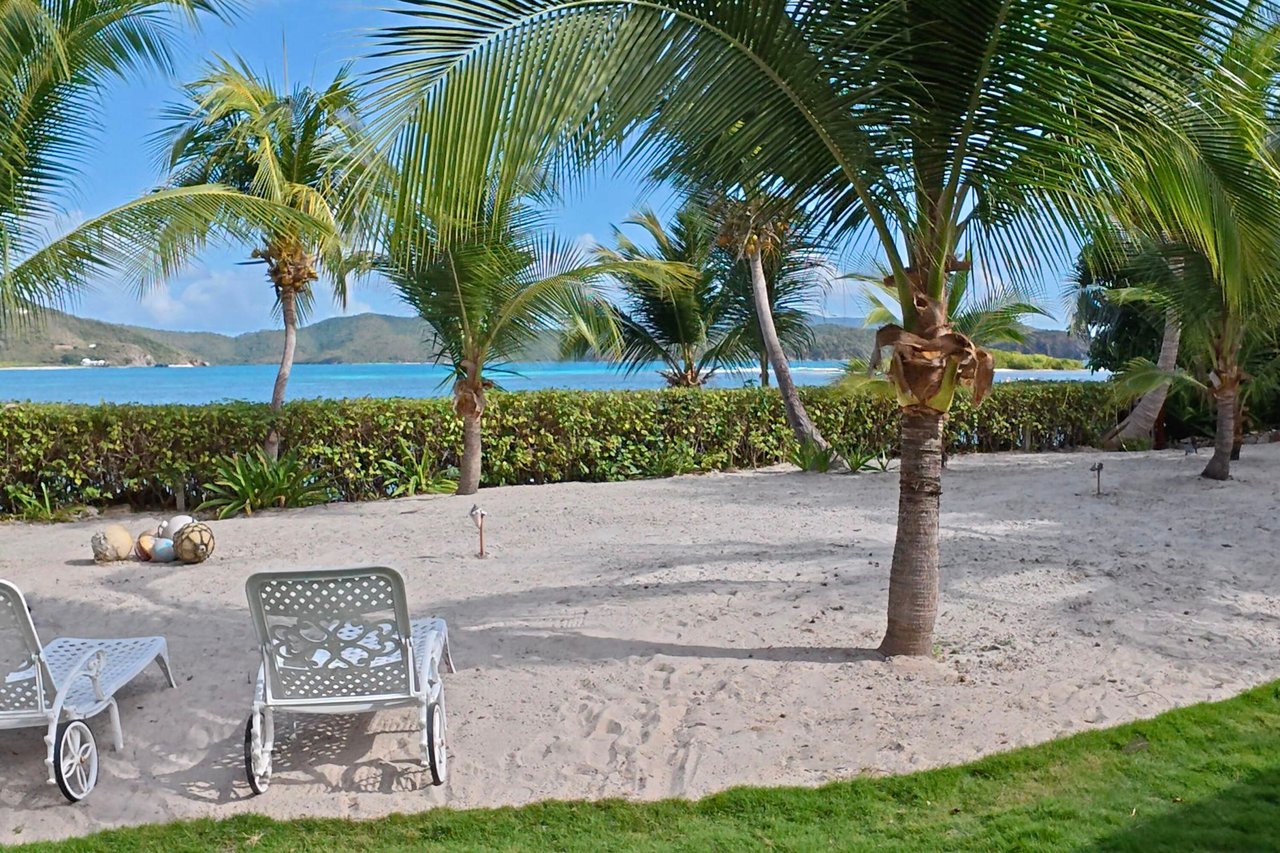
Your view is the top driver. Panoramic, uninterrupted ocean views usually command the highest premiums. Partial or foliage-dependent views still add value, but they are worth less and carry more risk. Document sight lines with photos and drone shots, and note sunrise or sunset orientation from your main living spaces and outdoor areas.
Access and proximity
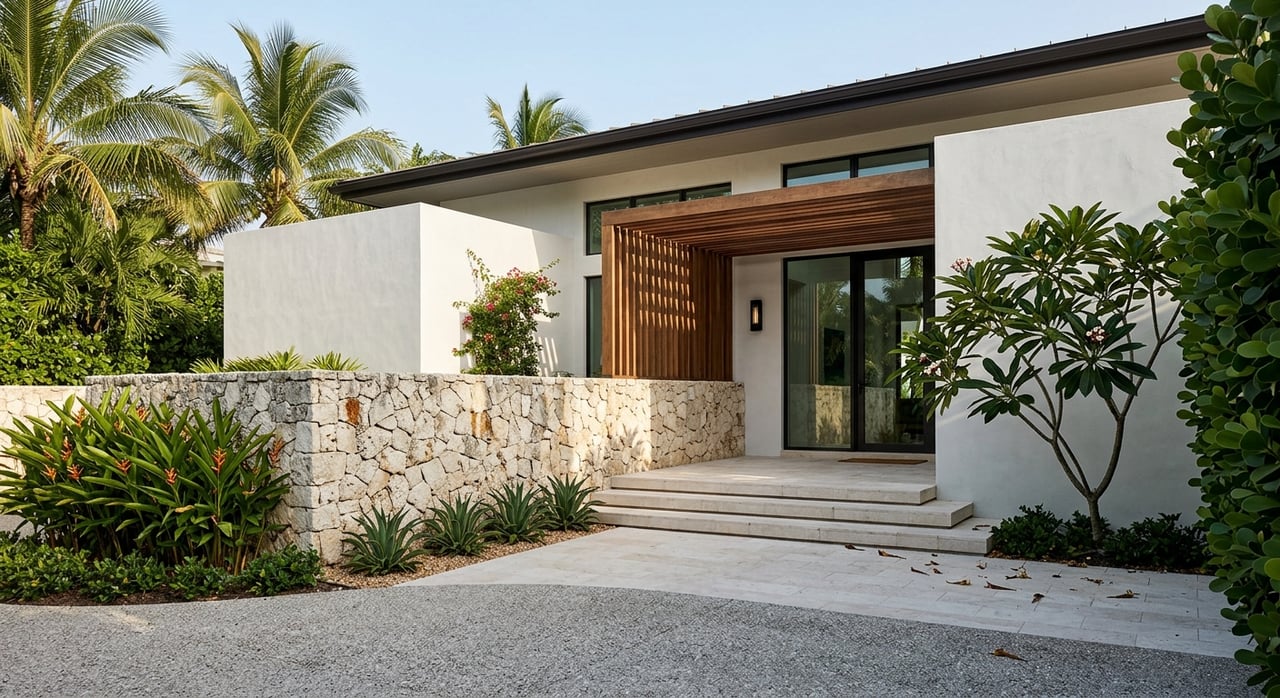
Buyers weigh convenience. Proximity to Cruz Bay, the ferry, shops, and popular beaches broadens appeal. Road quality, driveway grade, steps, and parking all shape the buyer pool. Clarify your water source, septic setup, and internet reliability since on-island services vary more than on the mainland.
Condition, finishes, and systems
Modern kitchens and baths, quality flooring, and reliable mechanicals help buyers meet your list price. Features like hurricane-ready construction, shutters, and elevated design can shorten time on market because they reduce perceived risk and may help with insurance.
Land and outdoor living
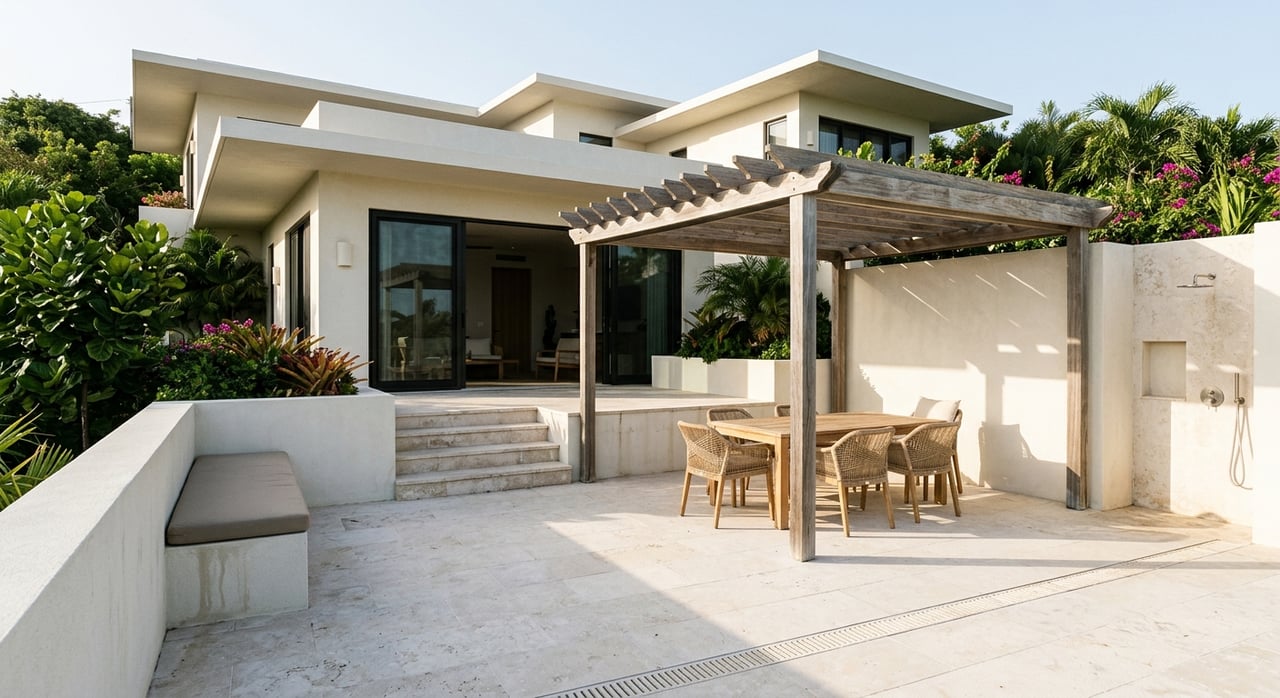
Usable outdoor space matters more than raw lot size. Decks, terraces, privacy landscaping, and outdoor rooms that celebrate the view add real value. Highlight flat or easily usable areas and how they connect to the view.
Water access and extras
Private or shared water access, a mooring, or a dock is highly prized when available. Pools, ample cistern capacity, reliable generators, solar, and off-street parking also influence buyer willingness to pay.
Legal clarity and utilities
Clean title, recorded easements, and documented permits increase buyer confidence and can reduce time to offer. Any access or boundary issues reduce marketability and should be priced in.
Buyer type and market tone
Small island markets often include a high share of cash and second-home buyers, which can set the tone for pricing and contingencies. A few high-profile sales can influence perceived value more than in larger markets, so stay current with recent closings.
Build your pricing with the right comps
Use recent local sales
In Carolina, the best comps come from the local MLS and recent closed sales. Because sales are less frequent than on the mainland, extend your lookback to 18 to 24 months and apply time and market adjustments. Local broker insight is essential in this small sample environment.
What to match and adjust
When selecting comps, match on view category, proximity to Cruz Bay and beaches, finished living area, bed and bath count, pool and amenities, condition and age, lot topography, and documented renovations. If perfect comps are scarce, start with the closest match and use component adjustments for view quality, access, finishes, and outdoor living. Ground these adjustments in recent island sales rather than national rules of thumb.
Avoid price per square foot traps
Price per square foot is noisy on St. John because of lot and view differences, construction quality, and small sample sizes. Use it as a reference point only, not a decision anchor. In this market, value lives in the view corridor, access, condition, and overall experience your property delivers.
Choose your pricing band
A clear pricing framework helps you predict time to offer and net proceeds. Consider three bands:
- Aggressive or quick-sale band: Slightly below likely market value. This can generate immediate attention and multiple offers. It works when you value speed, but may reduce net proceeds if a bidding surge does not materialize.
- Market or competitive band: At reasoned market value based on adjusted comps and current demand. This often delivers a balanced timeline and predictable outcome, and it fits most sellers.
- Premium or aspirational band: Above recent comps, used for rare features like exceptional panoramic views, prime location, or turnkey luxury. Expect a longer market time and be ready to adjust if the response is thin.
Seasonality and your band choice
Peak buyer activity runs roughly December through April. Listing in this window brings more active buyers and more showings, but it also brings more competing listings. In peak season, a market or premium band can draw serious seasonal buyers. In off-peak months, consider a more aggressive price to maintain momentum.
Plan for peak-season timing
When to list
Aim to go live between late November and early February. Give yourself enough runway to finish improvements and staging well before buyers arrive. Many off-island buyers schedule tours in blocks, so being online early matters.
Photos and media that sell
Professional visuals are essential. Include wide-angle photos that showcase water views from key rooms. Add drone imagery to document the view corridor, nearby development, access roads, and distance to beaches or the ferry. Twilight shots can highlight outdoor living and lighting. A floorplan and a short video walkthrough help remote buyers pre-qualify.
Virtual marketing and qualification
Many buyers start off-island. Offer a 3 to 5 minute walkthrough video and a concise list of recent upgrades. Pre-qualify buyers on cash versus financing and ask about contingencies and timing. Provide realistic insurance and utility cost estimates early since they can be decision drivers.
Staging checklist for St. John
- Clear decks and walkways of debris and any hurricane wear.
- Confirm cistern levels, and show generator and solar in working condition.
- Highlight hurricane-hardening and maintenance records.
- Make access simple: explain steps, driveway grade, and distance to Cruz Bay.
Pricing transparency and feedback
Be specific about view category, orientation, and which spaces enjoy the view. Disclose known obstructions or nearby development risk. Share comp logic with your agent’s CMA so both buyers and sellers see the pricing rationale.
Broker previews and showings
Broker previews during peak season can be very effective. Island agents often represent off-island buyers and can surface interest quickly. Schedule showings with enough lead time for ferry and travel logistics.
Smart adjustments
In a small market, prolonged price reductions can create stigma. If your listing sees little meaningful activity in the first two to six weeks of peak season, re-evaluate price or presentation quickly. Consider testing at market price for a short window, then adjust based on real feedback.
Estimate time to offer and trade-offs
Pricing about 5 to 10 percent under comparable market value can speed up offers. Pricing at or above market typically takes longer and becomes more sensitive to presentation and marketing quality. Because the buyer pool is smaller, results can be non-linear. A standout property that is presented extremely well can capture a patient, high-intent buyer even if it takes longer.
Model your net proceeds
Typical seller costs to plan
Estimate your net early. Include broker commission, transfer taxes, recording fees, and other closing costs. Account for likely repair credits or escrowed funds tied to inspections. If you expect capital gains exposure, consult a tax professional familiar with U.S. Virgin Islands rules and U.S. federal implications.
Inspections, insurance, and appraisals
Buyers commonly request structural, septic or cistern, and electrical inspections, along with proof of insurability. Lenders may ask for elevation certificates and specific documentation, especially in flood zones. Unique island homes can be hard to appraise, so financed deals may require local appraisers and could prompt renegotiation if the appraisal is low. Cash buyers often reduce this risk.
Negotiation dynamics to expect
Expect contingencies for inspections and proof of funds. Some buyers will request concessions to address repairs or insurance costs. You may see clauses that hinge on verifying generator or cistern performance. Prepare documentation in advance so you can respond quickly and keep negotiations focused on real value drivers.
Trusted local data channels
To support pricing and risk planning, use the following:
- Local MLS for closed sales and active inventory.
- Experienced island agents for off-market sales and practical adjustments.
- Local title companies and closing attorneys for transfer taxes, recording, and title guidance.
- Local insurance brokers with wind and hurricane expertise for typical premiums and insurability.
- FEMA resources for flood mapping and insurance context, and NOAA for coastal risk and sea level information.
- NAR and the Insurance Information Institute for broader second-home trends and insurance guidance.
Putting it all together
If you are listing an oceanview home in Carolina, lead with the view, confirm access and systems, and support your price with local comps. Choose the pricing band that fits your goals and the season. Present your property with strong visuals and clear documentation to help off-island buyers move with confidence. Build a net proceeds model early so you can weigh a faster sale against holding out for a premium.
When you are ready to price and list, work with a local advisor who pairs hyperlocal knowledge with strong distribution. If you want a grounded valuation and a peak-season marketing plan tailored to your home, connect with Dwight Lascaris for a confidential consult.
FAQs
When is the best time to list in Carolina?
- Peak buyer activity is roughly December through April, so aim to list between late November and early February to maximize exposure.
What matters most when pricing an oceanview home?
- View quality leads, followed by access and proximity, condition and systems, outdoor living, water access, and clean legal documentation.
How should I choose comparable sales on St. John?
- Use local MLS data from the last 18 to 24 months, match on view, access, size, condition, and amenities, then apply time and market adjustments.
Is price per square foot a good guide here?
- It is a rough reference only since small samples and lot and view differences make it unreliable for precise pricing.
How much under market speeds up offers?
- Pricing about 5 to 10 percent under comparable market value can accelerate offers, though results vary in a small market.
What seller costs should I plan for?
- Broker commission, transfer taxes, recording fees, closing costs, likely repair credits, and potential capital gains taxes with guidance from a tax professional.
How can I reduce buyer friction before showings?
- Share insurance and utility estimates, document hurricane-ready features and permits, and provide clear access details, floorplans, video, and drone imagery.
What if my home does not get activity in peak season?
- Reassess price or presentation after two to six weeks, then adjust based on feedback and lead quality to avoid market fatigue.