If you are dreaming about an oceanview home in Hansen Bay, one big question usually comes first: should you buy an existing home or start with land and build? It is an exciting choice, but on St. John’s East End, it is also a practical one shaped by terrain, permits, water systems, storm planning, and timeline. If you understand how Hansen Bay works before you act, you can make a much more confident decision. Let’s dive in.
Hansen Bay comes with unique site conditions
Hansen Bay is not a plug-and-play market where every oceanview property follows the same path. NOAA describes the area as steep and erosion-prone, with stormwater moving sediment toward the bay and nearby coral reef habitat. It also notes that the Hansen Bay subdivision is off the end of Route 10 and that the residential subdivisions in the watershed share an entrance road and have mandatory HOAs.
That matters whether you buy or build. In Hansen Bay, the view may draw you in, but slope, drainage, access, and road responsibilities can affect your budget and long-term ownership experience. For many buyers, the real decision is not just purchase price versus construction cost. It is simplicity versus control.
Buying an existing oceanview home
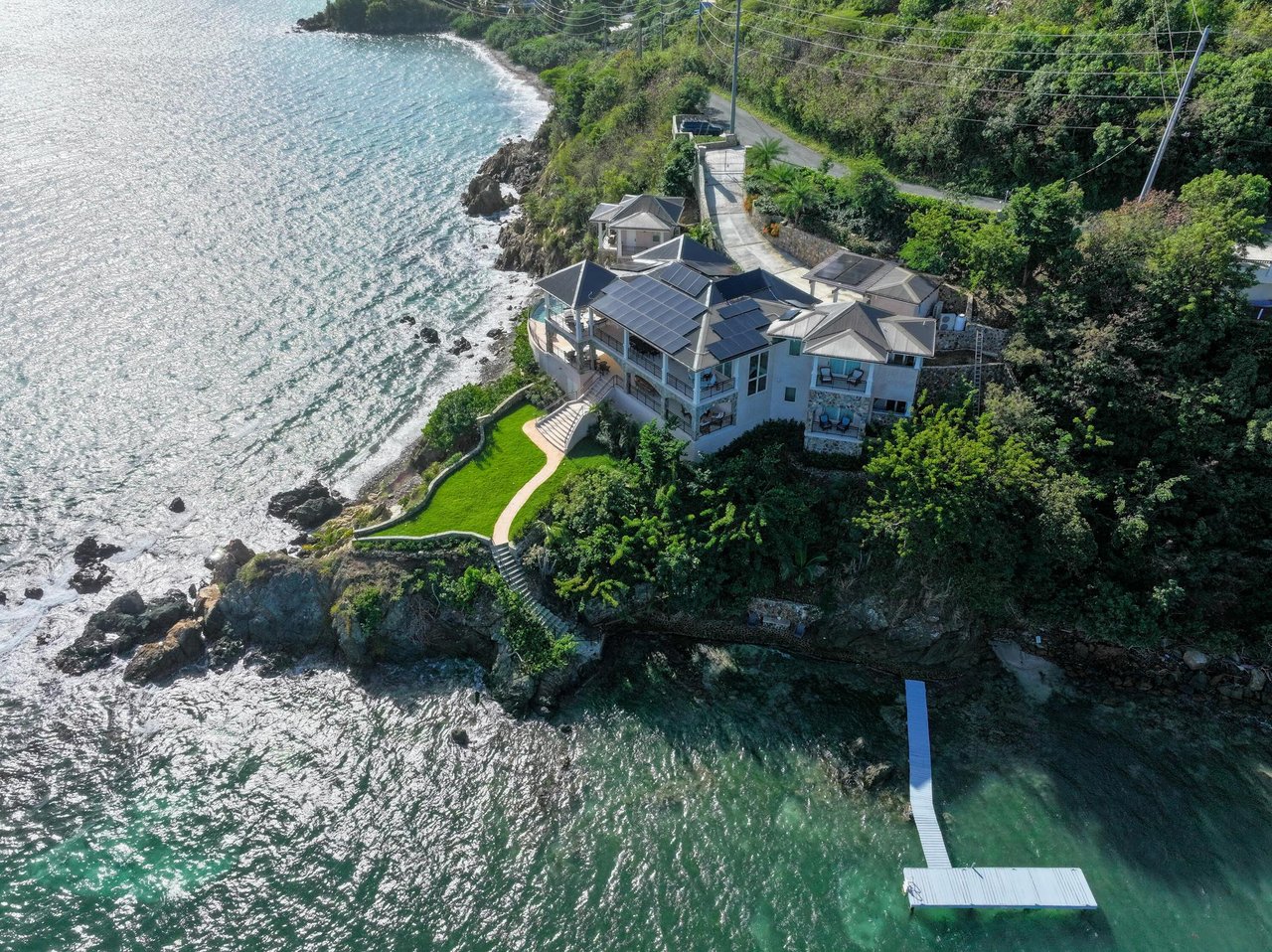
If your top priority is to start enjoying Hansen Bay sooner, buying an existing home often has the clearest advantage. The structure is already there, which can shorten the timeline and reduce some of the uncertainty that comes with a new build. You may also have a better sense of the finished layout, views, and how the home sits on the lot before you close.
That said, buying does not mean skipping due diligence. In this part of St. John, condition items like roof performance, drainage, flood exposure, and water storage should be reviewed early. DPNR’s building permit application itself highlights flood-zone and cistern information, which shows how central those issues are in the territory.
What to inspect closely in an existing home
When you evaluate an oceanview home in Hansen Bay, pay close attention to:
- Roof condition and wind resistance
- Site drainage and erosion patterns
- Flood-zone status
- Cistern size and maintenance history
- Roof catchment and water collection setup
- Access road condition and HOA obligations
Water infrastructure deserves special attention. In the USVI, rainwater collection is a normal part of ownership, and DPNR’s rainwater guidance describes a typical setup as an underground cistern paired with treatment equipment, along with routine inspection and periodic cleaning or disinfection. If you are buying an existing home, you want to know not just the cistern size, but how the system has been maintained.
Older homes may need a larger update budget
An older Hansen Bay home is not automatically a bad buy. In fact, some buyers prefer the immediate use, established landscaping, or proven rental history that an existing property can offer. But age can affect your risk profile.
FEMA notes that the USVI adopted the 1994 Uniform Building Code after Hurricane Marilyn, and structures repaired or built to those standards showed less roof damage in later storms. That suggests some older homes may warrant a more detailed inspection and a more generous renovation or hardening budget. If you are comparing homes from different eras, this can be an important part of the conversation.
Insurance and taxes still matter early
Flood insurance should be part of your planning from the beginning, not something left for the week of closing. FEMA says most homeowners insurance does not cover flood damage, flood coverage is separate, and NFIP policies typically have a 30-day waiting period before they take effect. For a coastal property, that timing matters.
You should also include annual property taxes in your ownership math. In the USVI, the Tax Collector handles real property tax bills, tax clearance letters, delinquent-payment enforcement, and delinquent-property auctions. Whether you buy or build, taxes remain part of the carrying-cost picture.
Buying land and building
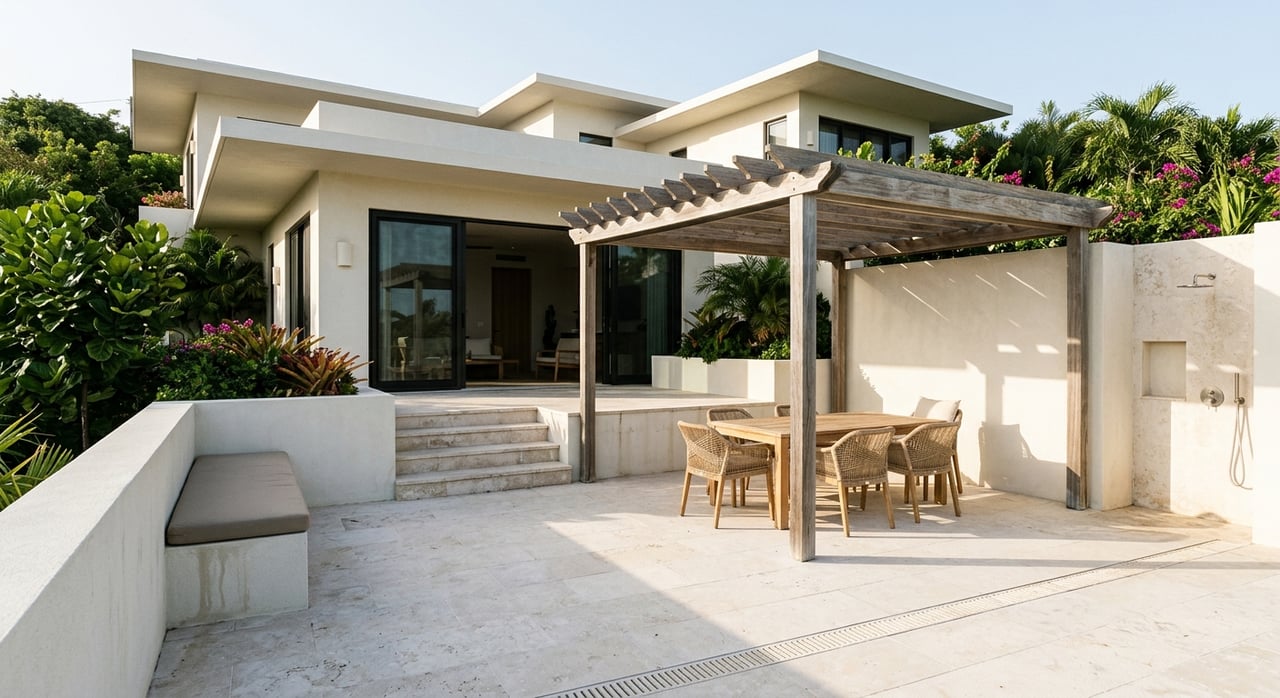
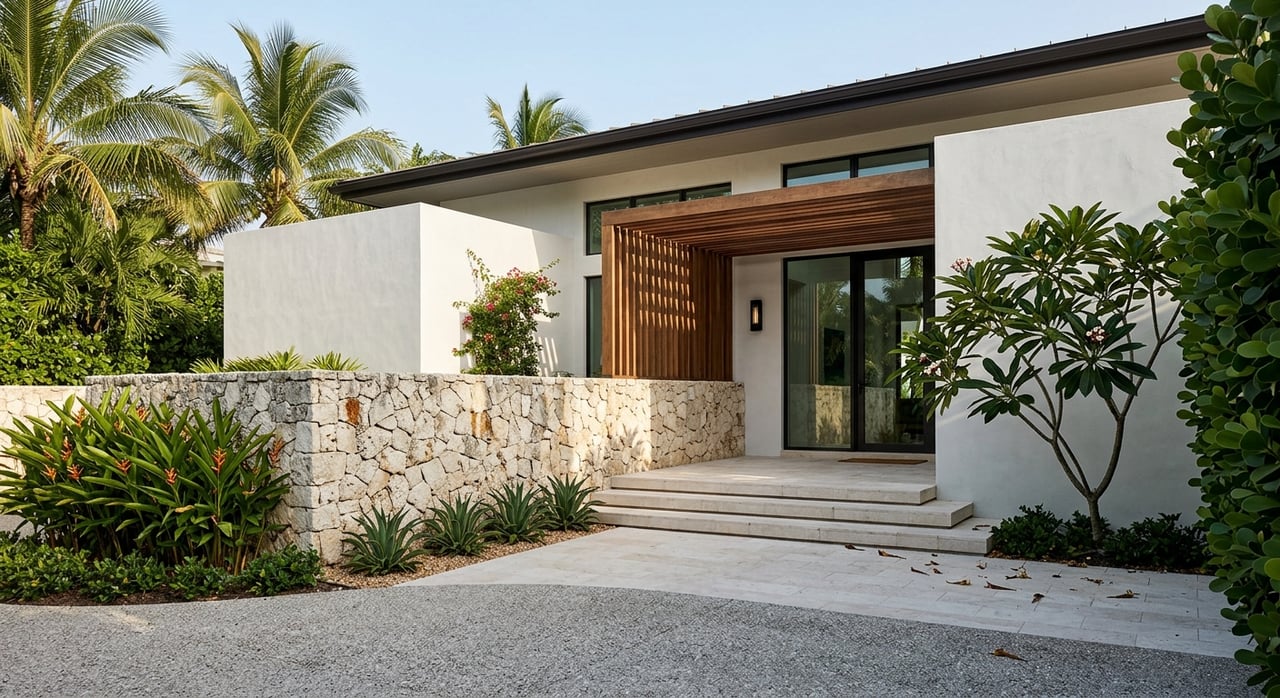
If your priority is customization, building can be very appealing. You can shape the floor plan around the lot, orient the home to the best sightlines, and design with current wind and flood considerations in mind from day one. For buyers who want a more tailored oceanview home, that control can be worth the added complexity.
But in Hansen Bay, building is never just about picking finishes and hiring a contractor. DPNR’s Division of Permits reviews and issues building, plumbing, electrical, demolition, flood, renewable-energy, mechanical, and occupancy permits, while also enforcing the territory’s building codes. In other words, building is a regulated process with multiple moving parts.
Permit costs and timing can add up
DPNR states that the permit fee for residential one- and two-family construction is 0.5% of total construction cost. It also notes that total permit-related costs may include application, plan-review, and permit fees depending on project valuation. Those are direct costs that should be included in your early budget.
Timing is just as important. DPNR says work must commence within 180 days after permit issuance, approved permits must be issued within 100 calendar days from approval, and only one extension of up to 360 days is allowed. Inspections require at least 48 hours’ notice, and any work covered before inspection may need to be uncovered.
For buyers comparing paths, this is one of the biggest practical differences. Buying an existing home usually shifts your risk toward condition and insurance. Building shifts your risk toward scheduling, approvals, and coordination.
Coastal-zone review may be part of site selection
In Hansen Bay, some parcels should be viewed as coastal properties, not just view lots. DPNR’s Coastal Zone Management program says it must assess proposed development in the first tier of the coastal zone, with goals that include minimizing harm to coastal resources and protecting public access to the sea.
That means you should confirm coastal-zone status before assuming a straightforward permit path. In this market, CZM review is not a rare surprise. It can be a normal part of evaluating whether a lot truly fits your timeline and budget.
Site work can be a major budget driver
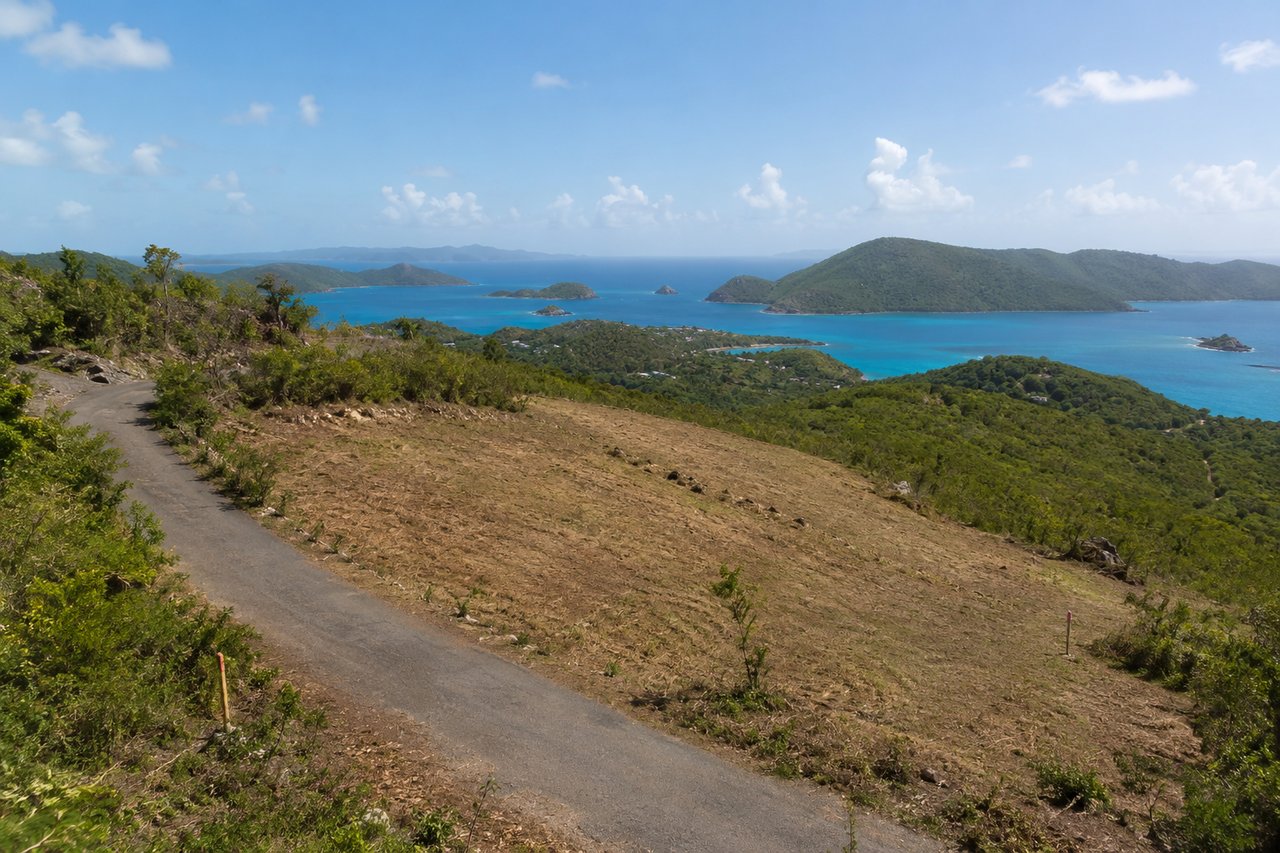
The terrain itself may be one of the biggest reasons a build budget changes. NOAA describes Hansen Bay as steep, with erodible soils and sediment movement into the bay. On a practical level, that can translate into more grading, more drainage work, and possibly retaining walls or other site stabilization needs.
A flat-lot construction mindset does not always apply here. Two parcels with similar asking prices can produce very different construction costs once slope, access, and drainage are factored in. This is one reason local, lot-specific guidance matters so much in Hansen Bay.
Stormwater and environmental review matter too
Construction may also trigger environmental permitting. DPNR says the territorial pollutant discharge program requires permits for discharges into waters of the Virgin Islands, and its Construction General Permit covers stormwater runoff associated with construction activity on property in excess of one acre.
The current fee form sets application fees at $150 for one to five acres and $500 for more than five acres. If you are building on a larger site, stormwater compliance should be treated as a normal planning item, not an afterthought.
Water systems must be designed up front
In the USVI, water planning is not optional. DPNR’s building permit application asks for cistern size and roof-catchment area, and its rainwater guidance makes clear that a typical residential system includes both storage and treatment components.
For a custom build, this means water infrastructure needs to be budgeted from the start. It is not only about having enough storage. It is also about long-term inspection, cleaning, and treatment needs once the home is complete.
How to decide which path fits you
For many buyers, the choice comes down to what kind of risk you would rather manage. If you want faster occupancy, a simpler timeline, and fewer regulatory unknowns, buying an existing home is often the better fit. That can be especially appealing if your goal is to start using the property as a second home sooner rather than later.
If you care most about customization, current code compliance, and designing around the specific lot, building may be the better path. FEMA classifies the Virgin Islands as a high hurricane wind risk jurisdiction, and a new build gives you the chance to plan for wind and flood resilience from the beginning.
If the lot is in a V zone or another high-hazard flood area, FEMA says coastal structures must be anchored to resist wind and water loads and elevated above base flood elevation. That can significantly affect foundation design and construction cost. So while building can offer a cleaner final product, it can also bring more design and budget decisions than buyers first expect.
A simple Hansen Bay decision guide
Here is a practical way to frame the choice:
Buy if you want
- Faster access to the property
- A more predictable closing path
- Less permit and schedule uncertainty
- A home you can evaluate in finished form
Build if you want
- A custom layout and design
- Newer code-based construction
- The ability to tailor the home to the site
- A long-term plan that can absorb more moving parts
Your pre-decision checklist
Before you make an offer on a home or a parcel in Hansen Bay, it helps to work through a short local checklist.
For both homes and land
- Verify FEMA flood maps and DPNR flood-plain advisory maps
- Confirm whether the property falls in CZM Tier 1
- Ask about HOA road and maintenance responsibilities
- Review annual carrying costs, including property taxes
For an existing home
- Review roof condition and storm resistance
- Confirm cistern age, capacity, and maintenance records
- Ask about drainage performance during heavy rain
- Plan for flood insurance early
For a land purchase
- Review slope, grading, and drainage needs
- Budget for permit fees and possible site-work premiums
- Ask whether stormwater permitting may apply
- Understand inspection timing and permit deadlines before starting
The bottom line on Hansen Bay oceanview homes
In Hansen Bay, buying versus building is not a simple cost comparison. It is a choice between two different kinds of complexity. Buying usually gives you a shorter path to use, but you need to vet condition, insurance, drainage, and water systems carefully. Building gives you more control and a chance to align the home with current standards, but it also brings permits, site work, environmental review, and timeline risk.
The right answer depends on your priorities, your patience, and how much project management you want to take on. If you approach Hansen Bay with a clear understanding of the terrain, the permitting framework, and the ownership realities of coastal St. John property, you will be in a much stronger position to make a smart move.
If you are weighing oceanview homes versus land in Hansen Bay and want practical, hyperlocal guidance, Dwight Lascaris can help you compare the options with clarity and confidence.
FAQs
Should you buy or build an oceanview home in Hansen Bay?
- If you want a simpler timeline and faster occupancy, buying is often the easier path. If you want a custom home designed around the lot and current code standards, building may be worth the added complexity.
What makes building in Hansen Bay more complicated than buying?
- Hansen Bay’s steep terrain, possible coastal-zone review, permit deadlines, inspections, drainage needs, and potential stormwater compliance can all add time and cost to a new build.
What should you inspect when buying a Hansen Bay oceanview home?
- Focus on roof condition, drainage, flood-zone status, cistern size, water-system maintenance history, and any HOA road or access responsibilities.
Do Hansen Bay buyers need separate flood insurance?
- Standard homeowners insurance usually does not cover flood damage, and flood coverage is generally separate. FEMA also notes that NFIP policies typically have a 30-day waiting period before they take effect.
Are older oceanview homes in Hansen Bay a bad investment?
- Not necessarily. But older homes may need a closer inspection and a larger repair or resilience budget, especially if parts of the structure predate stronger post-Marilyn code standards.
What water-system issues matter for Hansen Bay properties?
- In the USVI, buyers should understand cistern size, roof catchment, treatment equipment, and maintenance history because rainwater collection and storage are a normal part of homeownership.
Can coastal-zone rules affect a Hansen Bay lot purchase?
- Yes. If a parcel is in the first tier of the coastal zone, DPNR’s Coastal Zone Management program must assess proposed development, so you should confirm that status before assuming an easy building path.