If you are marketing a Chocolate Hole villa, your first buyer tour probably happens long before anyone steps off the ferry. Remote buyers are often comparing homes from the mainland or abroad, and they need clarity they can trust, not glossy promises. When your marketing is built for how people actually shop, you can create confidence early and make it easier for the right buyer to take the next step. Let’s dive in.
Why remote marketing matters more now
A large share of buyers begin their search online, and many first discover the home they buy on the internet. Recent buyer data also shows that shoppers rely heavily on photos, detailed property information, floor plans, virtual tours, and video when narrowing their options.
For a Chocolate Hole villa, that means your digital presentation is not just advertising. It is the first showing. If that first showing feels incomplete, remote buyers may move on before they ever ask a question.
Why Chocolate Hole stands out
Chocolate Hole offers a mix of convenience and island setting that is easy to understand once you know the area. It sits about 2 miles south of Cruz Bay on Route 104, which helps buyers picture daily access to town, ferry connections, dining, and services.
It also benefits from its South Shore location. The National Park Service notes that this bay is often calm when north shore beaches are rough, and seagrass habitat sits just offshore, which adds useful environmental context for buyers trying to understand the setting from afar.
More broadly, St. John has long appealed to people seeking privacy and tranquility. The island also offers a rare balance of preserved land and accessibility, with about two-thirds protected parkland and St. Thomas only a 20-minute ferry ride away.
For U.S. citizens coming from the mainland, no passport is needed to travel to the U.S. Virgin Islands. That can make last-minute preview trips and second-home visits feel much more manageable.
Build the listing like a first showing
Remote buyers need enough information to feel oriented, excited, and reassured. A strong listing package should answer the same questions a buyer would ask if they were standing on the terrace with you.
That starts with complete visual coverage, but it also includes layout, condition, and how the home lives day to day. The more clearly you present the property, the easier it is for buyers to imagine ownership.
Start with professional photography
Photos are still one of the most useful tools for internet buyers, so they need to do real work. For a villa in Chocolate Hole, that means showing more than just pretty angles.
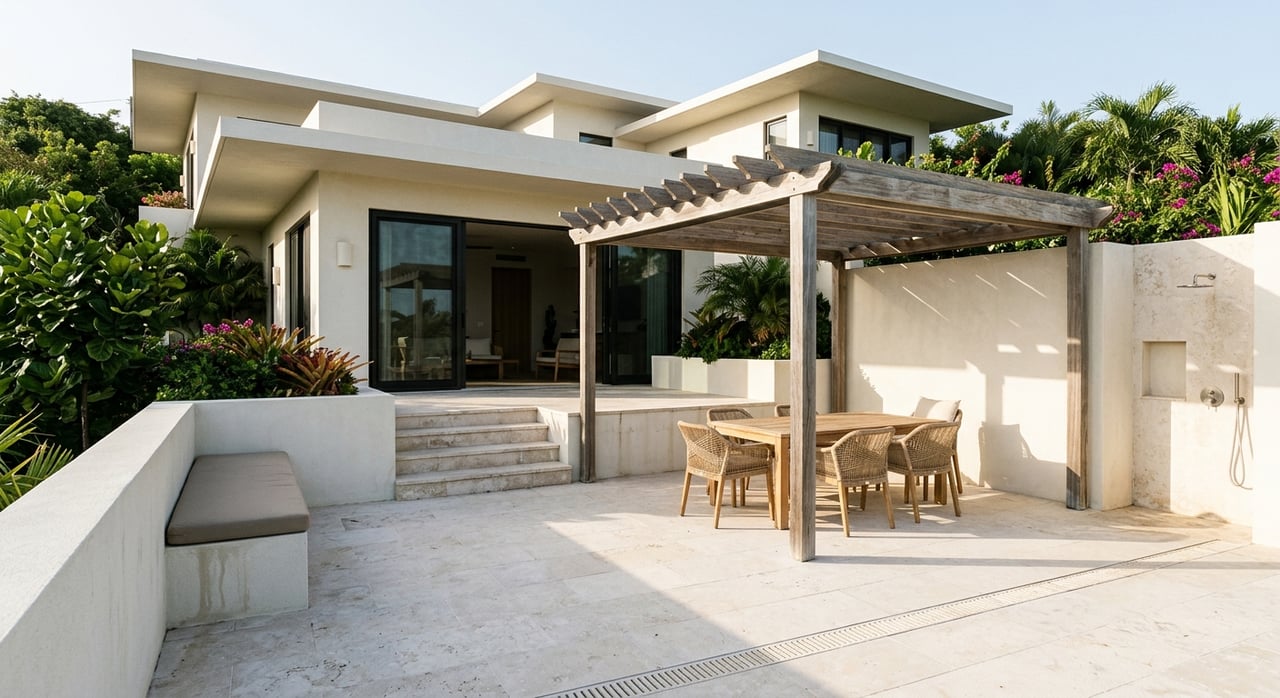
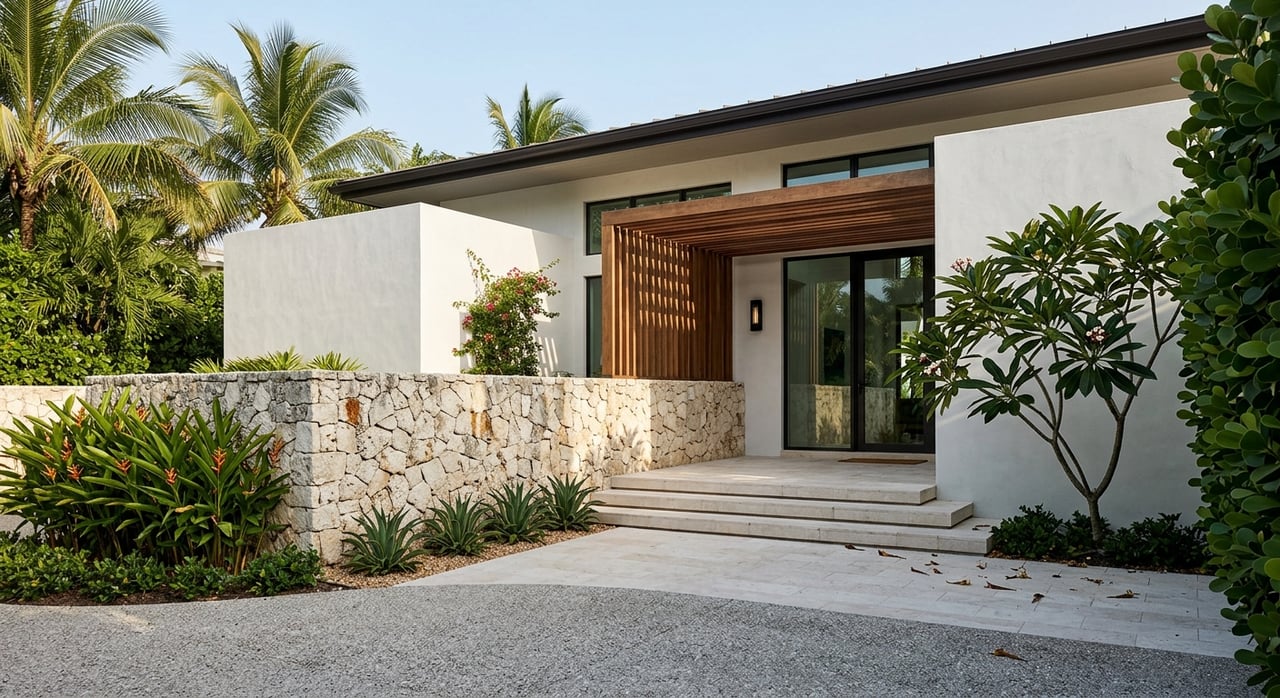
Your photo set should capture the arrival sequence, exterior setting, view corridors, terraces, pool or deck, kitchen, primary suite, guest rooms, bathrooms, parking, and any indoor-outdoor living spaces. If the home is view-driven, twilight or golden-hour photography can help buyers understand how the property feels at the times of day they care about most.
Add video and live walkthroughs
Photos help buyers scan, but video helps them understand flow. A walk-through video can show ceiling heights, room transitions, outdoor access, and how the view unfolds as you move through the property.
Live virtual showings can be just as important. A remote buyer may want to ask you to pause at a doorway, step out to the terrace, show the parking area, or explain what they are seeing beyond the frame. That kind of real-time access builds trust fast.
Include a floor plan
A floor plan gives buyers something photos cannot. It shows how rooms connect, how guest spaces relate to the main suite, and whether the layout works for personal use, rental use, or both.
For remote buyers comparing several villas at once, a floor plan often becomes the tool that helps one property stay memorable. It can also reduce confusion before a live virtual tour.
Give clear neighborhood context
Neighborhood context matters online because buyers are often shopping from a map before they shop with their feet. In Chocolate Hole, the most useful context is practical.
Show how the villa relates to Cruz Bay, ferry access, and the South Shore setting. That helps buyers understand whether the location fits their pattern of use, whether that means long weekends, seasonal stays, or a vacation-rental strategy.
Use transparent descriptions, not hype
Luxury buyers still want substance. Strong marketing copy should be attractive, but it should also be specific, factual, and easy to verify.
That means describing what the buyer can actually expect from the home. If there have been updates, say what they are. If there are known condition issues, address them clearly rather than letting them become a surprise later.
A useful remote-buyer description often includes:
- Recent improvements
- Condition notes
- Permit history
- Outdoor living features
- Parking or access details
- How the home is used when not occupied
- Whether the property feels turn-key or needs follow-up work
This kind of transparency can save time for everyone. It also supports a smoother path from first inquiry to serious interest.
Have documents ready before showings
Remote buyers often decide how serious to get based on how organized the seller side appears. If the home is presented as move-in ready or rental ready, your documentation should support that story.
On St. John, permit history matters. The Virgin Islands Department of Planning and Natural Resources states that its Division of Permits inspects construction throughout the territory for compliance with local and national building codes, so buyers will want clear records when available.
Before the first serious showing, it helps to have:
- Permit history and related records
- A list of recent upgrades
- Maintenance notes or service cadence
- Basic condition details
- Information on how the home is used when vacant or between stays
This does not just answer questions. It signals that the property has been cared for and that the transaction process will be easier to navigate.
Plan carefully if the villa is rented
Many Chocolate Hole villas appeal to second-home buyers, vacation-rental investors, or buyers who want both personal use and income potential. If the home is actively rented, showing logistics become part of the marketing strategy.
A written showing protocol can help protect guest privacy while keeping access organized. It can also reduce friction for remote buyers who may already be dealing with travel timing, video calls, and decision-making from a distance.
A practical protocol should cover:
- When showings can happen
- How much notice is required
- Which spaces can be shown during occupancy
- How guest privacy will be protected
- How the reservation calendar will be used to avoid conflicts
This matters because buyers often say that finding the right property is the hardest part of the process. A villa that is easy to understand and easy to show has a better chance of holding buyer attention.
Know who your likely remote buyer is
Not every remote buyer is looking for the same outcome. Some want a private island retreat. Others are evaluating the property as a vacation home, rental asset, or a mix of both.
Recent international buyer data supports that broader buyer mix. A meaningful share of foreign buyers purchase property for vacation use, rental use, or both, which aligns well with the way many buyers look at villas in St. John.
That is why your marketing should speak to real use cases instead of broad lifestyle language. Show how the property functions, how it feels, and how it fits common ownership goals.
What a strong marketing package looks like
If you want to attract serious off-island interest, your marketing package should feel complete from day one. Buyers should not need to chase basic information.
A strong package usually includes:
- Professional photography with full coverage of the home and grounds
- Video walkthrough content
- Live virtual showing capability
- A floor plan
- Clear property descriptions
- Neighborhood context focused on access and setting
- Permit and improvement documentation
- A showing plan if guests are in residence
When these pieces work together, the villa feels real to someone who is hundreds or thousands of miles away. That is the goal.
Remote buyers need confidence first
A Chocolate Hole villa can capture attention quickly, but attention alone is not enough. Remote buyers need visual proof, practical detail, and a clear sense of how the home fits into life on St. John.
When the presentation is thoughtful, transparent, and locally informed, you create something much more powerful than a listing. You create confidence. If you are preparing to market a villa in Chocolate Hole and want a strategy built for serious off-island buyers, Dwight Lascaris can help you position it with the clarity and local insight today’s market demands.
FAQs
What makes Chocolate Hole different from other St. John areas?
- Chocolate Hole is a residential area about 2 miles south of Cruz Bay on Route 104, and its South Shore setting offers practical access to town and ferry connections along with a calm-bay coastal setting.
What visual assets matter most for remote buyers of a Chocolate Hole villa?
- The most important assets are professional photos, video walkthroughs, live virtual tours, and a floor plan, because remote buyers rely on visuals and layout details to evaluate the property from afar.
How should you show a Chocolate Hole villa with vacation guests in place?
- Use a written showing protocol that respects guest privacy, coordinates with the reservation calendar, and clearly outlines access, notice, and showing windows.
What documents should be ready before marketing a St. John villa to remote buyers?
- Have permit history, recent improvement lists, maintenance details, and clear condition notes ready so buyers can verify the home’s status and feel more confident moving forward.
Why is transparency so important when marketing to off-island buyers?
- Remote buyers cannot easily inspect a property in person at the start, so clear descriptions, complete visuals, and organized records help replace uncertainty with trust.