Thinking about a second home in Cruz Bay but not sure whether a condo or a villa fits you best? It is a common question for winter visitors who want the right balance of lifestyle, rental potential, and real costs. You want privacy and easy upkeep, but you also want the numbers to make sense in a small, seasonal market. This guide gives you a clear, side‑by‑side framework so you can pre‑qualify property types before you tour. Let’s dive in.
Start with St. John realities
St. John runs on a seasonal rhythm. Winter, roughly December through April, is peak visitor season. Demand for showings and short‑term rentals is highest then, and off‑season occupancy and pricing typically decline. Inventory is limited in Cruz Bay, so desirable listings can move quickly.
Plan for island utilities and systems. Electricity and water can be more expensive and less predictable than on the mainland. Many homes rely on cisterns, septic systems, generators, or wells, which carry ongoing costs and maintenance.
Hurricane risk influences everything. Local elevation, flood zones, and wind exposure affect insurability, insurance cost, and construction features like shutters and impact glass. If you plan to rent, expect to register a business and remit accommodation taxes through territorial agencies. Confirm current licensing and tax rules before relying on rental income.
Privacy and lifestyle
Condo
- Less privacy due to shared walls and common areas.
- Limited private outdoor space, usually a balcony versus a yard.
- Great if you want a lock‑and‑leave setup and a social vibe with neighbors or on‑site staff.
Villa
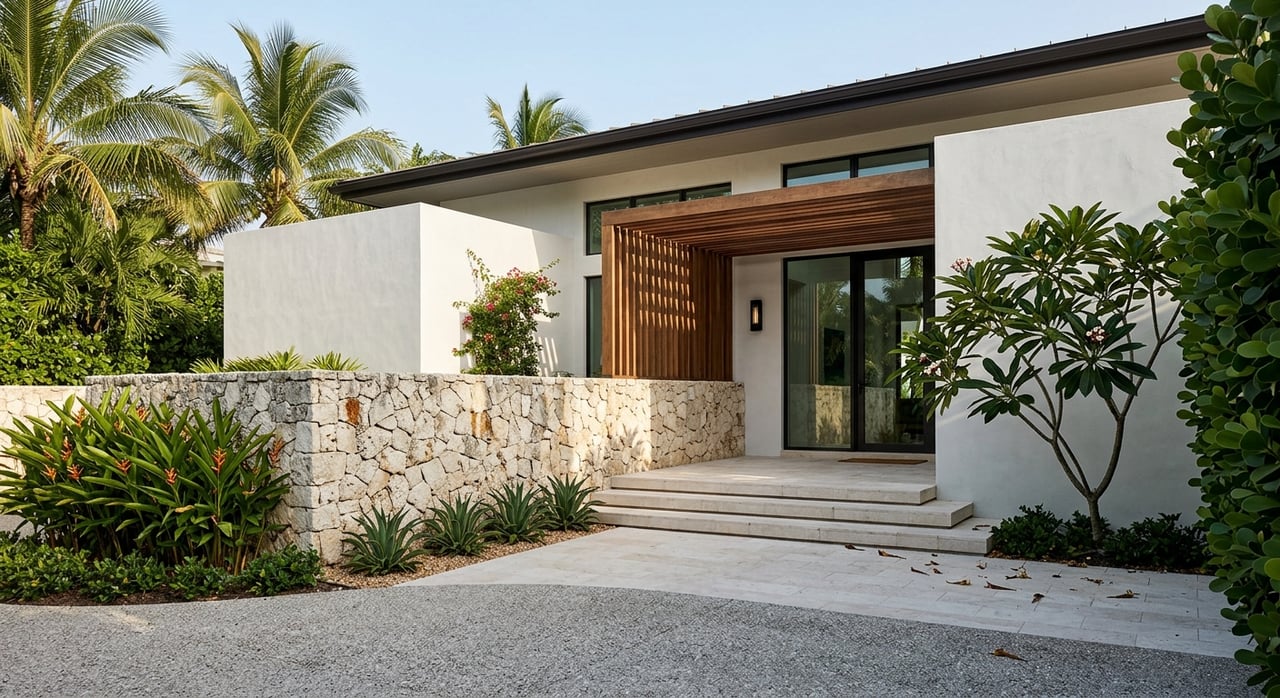
- More privacy and separation from neighbors.
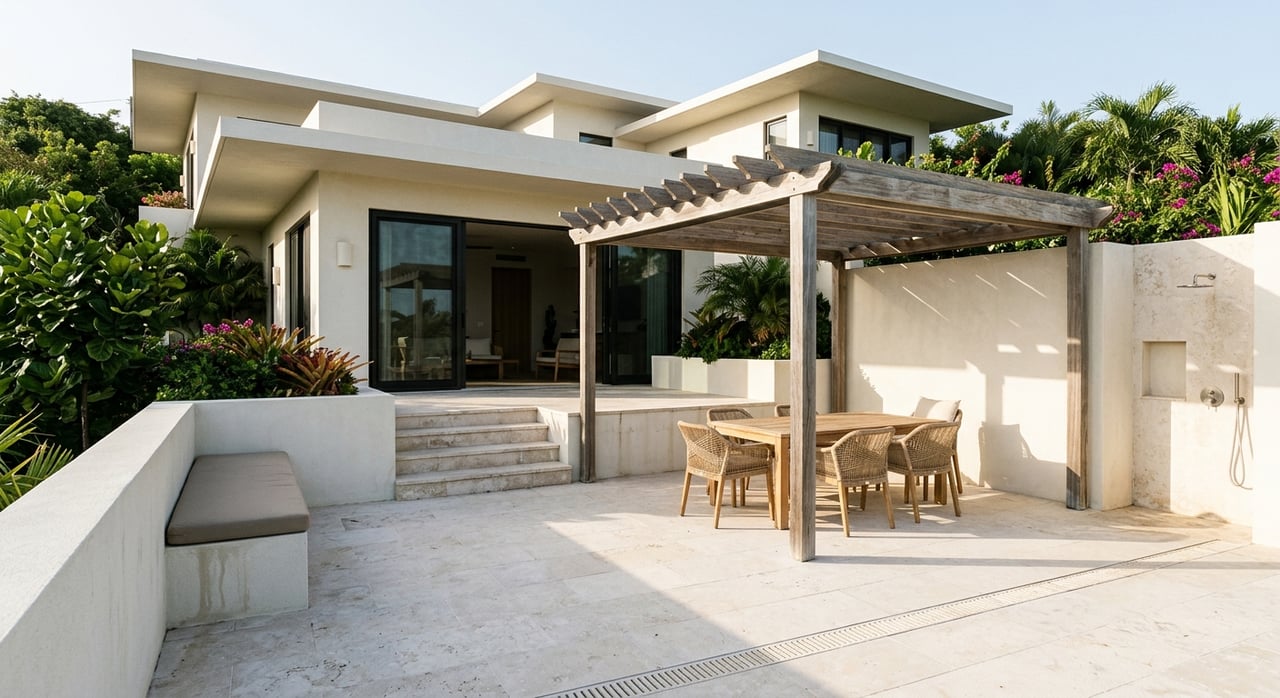
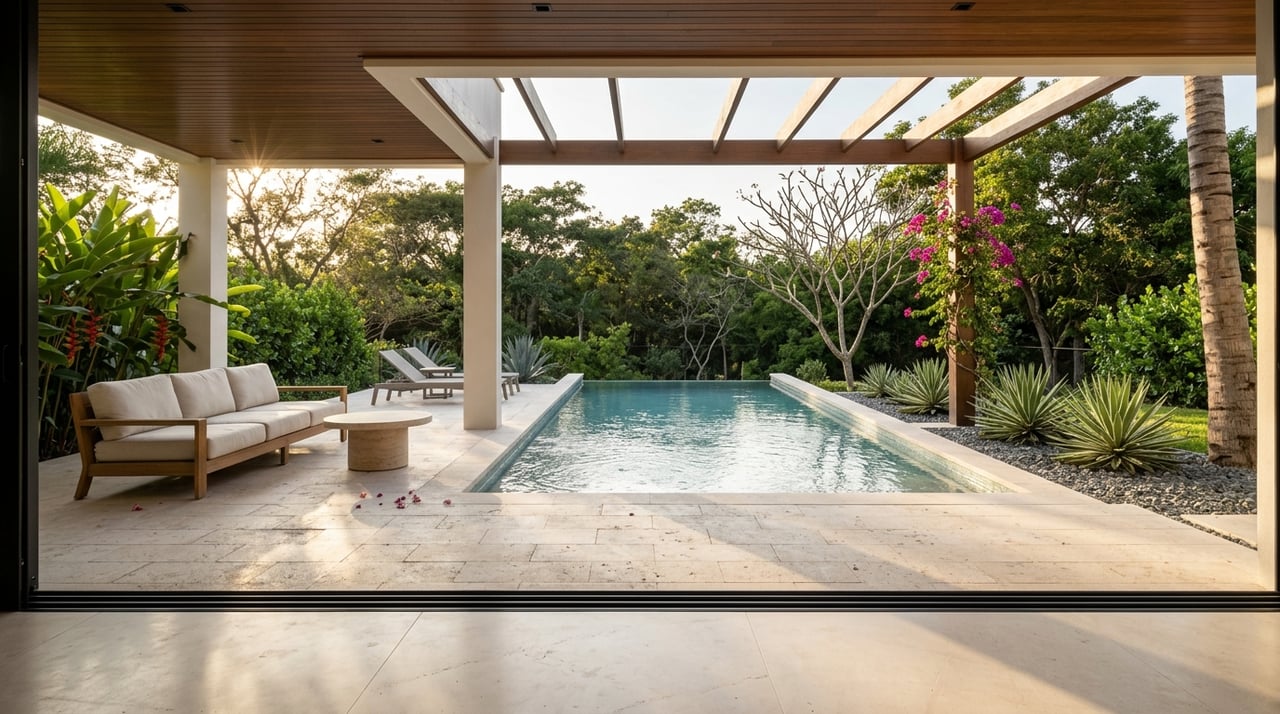
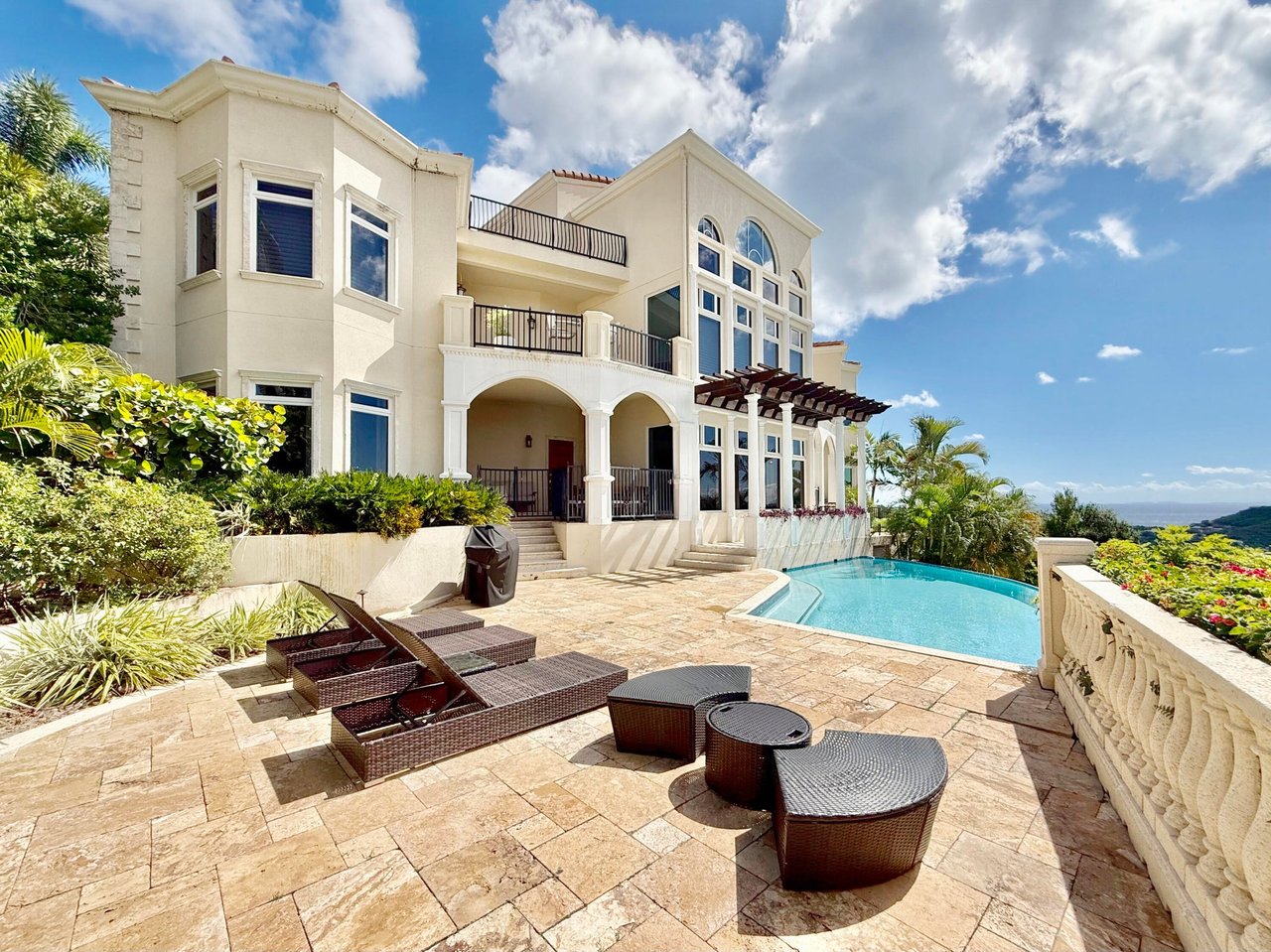
- Private outdoor areas are common, often including a pool, patio, and landscaping you control.
- Ideal if you value solitude, plan larger gatherings, or want flexibility for pets.
Upkeep and maintenance
Condo
- The association typically handles exterior maintenance, landscaping, and the roof.
- You handle interior upkeep and your utilities.
- On‑site staff or shared services make it easier for intermittent visits.
- Watch for special assessments and the association’s approach to deferred maintenance.
Villa
- You are responsible for everything: roof, exterior, pool, septic or cistern, generator, and landscaping.
- Expect higher hands‑on management or the need to hire a property manager.
- In a hurricane zone, maintenance and emergency readiness can be more frequent and more costly.
Amenities and services
Condo
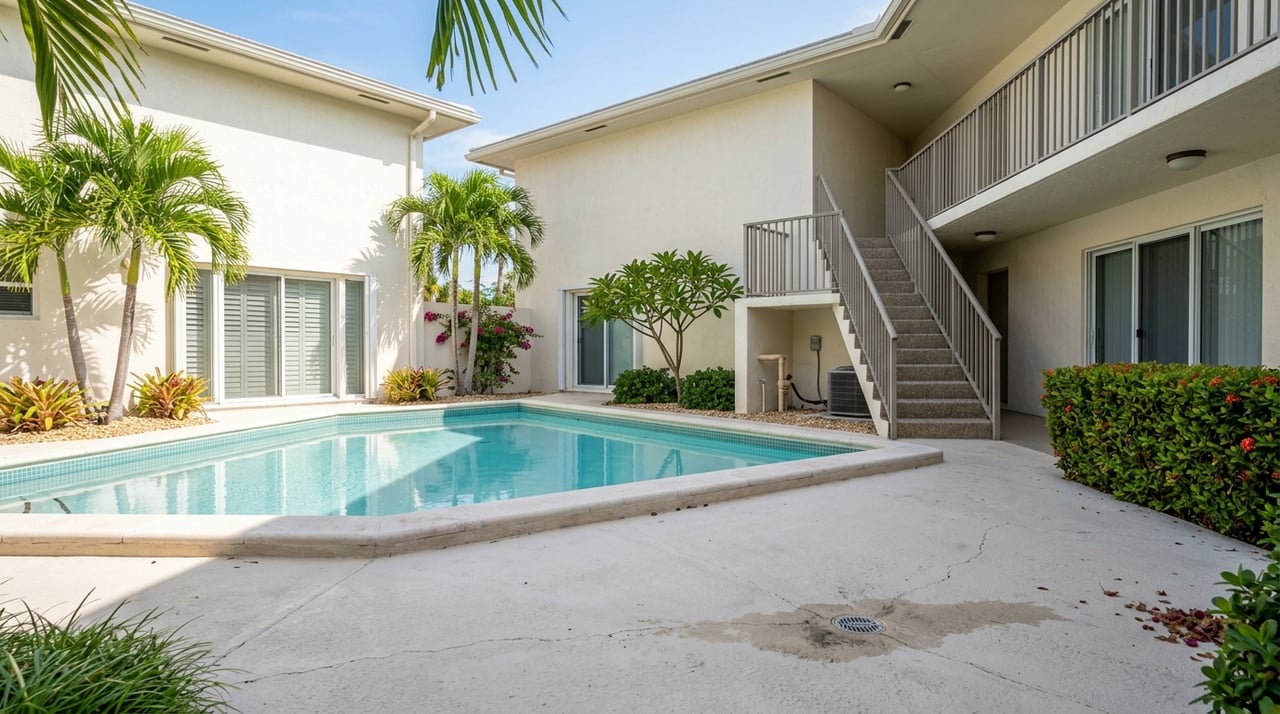
- Many Cruz Bay condos offer shared amenities such as a pool, fitness areas, security, docks, or gated access.
- These services can raise HOA dues but improve owner convenience and renter appeal.
Villa
- Amenities are private and customizable, from pools and hot tubs to outdoor kitchens.
- You control quality and availability, but you also pay for all upkeep.
Rental potential and guest experience
Condo
- Appeals to couples and smaller groups.
- On‑site staff and clear check‑in can simplify operations.
- Association rules may limit or prohibit short‑term rentals, so verify before you rely on income.
Villa
- Attracts families or groups seeking multiple bedrooms and private outdoor space.
- Can command premium nightly rates in high season, especially with strong features or views.
- Higher operating overhead for cleaning, pool service, landscaping, and management.
Practical tip: Success depends on property condition, marketing and management, location near Cruz Bay services, and seasonality. Always confirm HOA rental rules and local licensing before you build your pro forma.
Total ownership costs to model
Evaluate both property types across these cost buckets. The weight of each line item will vary by condo versus villa.
- Purchase price and closing costs. View, elevation, and waterfront features carry premiums.
- HOA or association fees. Common for condos and tied to services, amenities, and reserve funding.
- Property insurance. Windstorm, hurricane, and flood coverage are major costs in the USVI. In condos, the association often carries a master policy. Confirm what it covers and how deductibles apply.
- Property taxes. Follow territory rules and verify current rates and any exemptions.
- Utilities. Electricity and fuel are typically higher cost than the mainland. Villas may add cistern fills, septic pumping, water delivery, and generator fuel.
- Maintenance and repairs. Routine items like pools, landscaping, and HVAC plus long‑term capital needs. Villas usually total more over time.
- Property management and rental operations. Professional short‑term management often runs about 20 to 35 percent of rental revenue depending on services, plus cleaning, restocking, and booking fees.
- HOA reserves and assessments. Review budgets and reserve studies to gauge risk of special assessments.
Request documents and sample bills early. Ask for HOA budgets, reserve studies, association minutes, recent insurance premiums, and utility bills for comparable properties.
What to verify before you tour
Financing varies. Many lenders serve the USVI, but second‑home or investment underwriting may require higher down payments and different terms. Appraisals rely on island comps and adjust for view and waterfront premiums.
Insurance is critical. Verify required windstorm or hurricane, flood if applicable, and standard hazard coverage. In a condo, confirm master policy coverage versus what you need for interior and contents. Expect percentage‑based wind or hurricane deductibles. Get preliminary quotes on specific properties before you offer.
If you plan to rent, confirm the rules. Check local licensing, occupancy tax requirements, and any HOA rental restrictions. If buying an existing rental, verify whether permits or licenses transfer.
On‑island showing checklist
Bring or request these items so your winter visit is efficient and productive.
- Lender pre‑qualification and a clear budget range.
- HOA packet for condos: bylaws, budget, reserve study, minutes, rental rules, insurance summary.
- Last 12 months of utility bills, property tax bills, insurance declarations page, and maintenance invoices.
- Rental history if applicable: occupancy, average nightly rate, and seasonal breakdown.
On site, focus on:
- Structure and exterior: roof age and hurricane rating, exterior condition, signs of water intrusion.
- Hurricane resilience: shutters or impact glass, generator status, fuel and water storage.
- Systems: HVAC age, pool equipment, septic or sewer details and service history.
- Shared areas for condos: pools, docks, security, and any signs of deferred maintenance.
- Privacy and noise checks for condos: proximity to neighbors and common paths.
- Access and logistics: proximity to Cruz Bay ferry, markets, restaurants, parking rules, and emergency access.
- Title and access: confirm deeded access, easements, and restrictions.
Quick decision guide
Choose a condo if you:
- Want lower day‑to‑day maintenance and easy lock‑and‑leave living.
- Value on‑site amenities and predictable association management.
- Plan occasional personal stays and prefer turnkey rental operations.
Choose a villa if you:
- Prioritize privacy, outdoor living, and the ability to customize.
- Expect to host larger groups or spend extended time on island.
- Are prepared for higher maintenance and hurricane preparedness responsibilities.
How to move forward
If your winter trip is coming up, line up financing conversations, request documents from sellers and associations, and gather utility and insurance figures. Use the checklists above to focus showings and compare like‑for‑like costs. A clear framework now will save you time and set you up for smart offers in a tight Cruz Bay market.
When you are ready to refine your short list or want local insight on specific buildings and micro‑markets, connect with Dwight Lascaris for tailored guidance and on‑island support.
FAQs
When is peak season in Cruz Bay for rentals and showings?
- Winter, roughly December through April, is the busiest period for visitors, short‑term rentals, and buyer showings.
Are short‑term rentals allowed in Cruz Bay condos?
- It depends on the association; some allow short‑term rentals while others restrict or prohibit them, so confirm HOA rules and local licensing before relying on rental income.
How do condo and villa insurance needs differ in the USVI?
- Condos often have an association master policy for the building while owners cover interiors and contents, and villas require full structure coverage; in both cases verify wind or hurricane, flood if applicable, and percentage‑based deductibles.
What down payment should I expect for a second home on St. John?
- Underwriting can differ by lender and property use, and second homes or investment properties may require higher down payments, so speak with lenders before touring and offering.
What operating costs matter most for a villa in Cruz Bay?
- Plan for insurance, utilities, pool and landscaping, septic or cistern service, generator fuel, and property management if renting, which often totals more than a condo.
Does proximity to the Cruz Bay ferry and restaurants affect rentals?
- Yes, location near the ferry and services can improve guest experience and booking performance, but condition, marketing, and seasonality also play key roles.